Create an identity people can recognise. And your team can use.

A strong identity has to do more than look good in a presentation. It needs to feel right for the business, work across everyday touchpoints and remain recognisable when different people create the material.

Mind Methods translates an agreed brand direction into a practical visual identity. We develop the logo and supporting system together, considering typography, colour, imagery, layout and how the elements behave in real applications.

The process balances distinctiveness with usefulness. We explore considered design directions, explain the reasoning and refine the chosen approach against the formats that matter. The outcome is not simply a folder of logo files: it is a coherent visual foundation that can support your website, communications and marketing as the business grows.

“Good marketing is clarity plus courage. Clarity about the customer and what truly moves them. Courage to focus on the few activities that will make the biggest difference. Our job is to bring both, so your team knows exactly what to do next, and why.”

Simon Tokic, Co-Founder, Mind Methods
83.9%

of tested home pages had low-contrast text

Colour choices need to work in use.

WebAIM detected low-contrast text on 83.9% of the one million popular home pages it tested.

Planning implication: Consider readable colour combinations and real applications alongside the appeal of a palette.

WebAIM Million, February 2026
Automated global home-page evaluation, not a study of these brands or a full accessibility-conformance assessment.

21.4%

of Australians had disability

Design for people, not just a presentation screen.

The ABS reported 21.4% of Australians had disability in its 2022 survey.

Planning implication: Include accessibility needs in the brief and evaluate implementation, rather than assuming visual consistency alone makes an experience accessible.

2022 survey; release 4 July 2024
Population prevalence, not the share with a particular visual impairment or one uniform access requirement.

78%

used retailer websites

The identity has to hold together digitally.

Australia Post reported retailer website use at 78%.

Planning implication: Test the visual system in important digital formats before approving it solely through a logo presentation.

2025 survey; 2026 eCommerce Report
Australian online-shopping context, not a measured effect of identity design on conversion.

97,345

trade mark applications in Australia

Distinctive expression deserves careful checking.

IP Australia recorded 97,345 trade mark applications in 2025.

Planning implication: Build appropriate name and identity checks into the process, with specialist legal advice before committing where required.

2025 filings; Australian IP Report 2026
Applications, not granted rights or evidence that a proposed identity is legally available. Creative review is not legal clearance.

Start with the problem, not a package.

01
The logo exists, but nothing else looks connected.
Build the system around the mark.

Develop the supporting typography, colour, imagery and layout principles that make everyday material feel like one brand. Show how the elements work together in relevant applications.

02
The business looks less capable than the work it delivers.
Bring the identity into line with the proposition.

Review the current perception and the approved strategic direction. Explore visual routes that express the right level of confidence and character without relying on generic category styling.

03
A new identity works in one format but fails in others.
Test the design against actual use.

Consider small sizes, digital interfaces, documents, signage and other priority formats. Resolve practical variations early so the system remains recognisable rather than accumulating unrelated workarounds.

04
Every supplier interprets the brand differently.
Make the handover usable, not just attractive.

Prepare the agreed files, usage guidance and application examples. Clarify which detailed templates or brand guidelines belong in the next stage, and who approves changes to the system.

Questions worth asking.

It can include the logo, typography, colour palette, supporting visual elements and examples of the identity in use. We agree the applications, file formats and depth of guidance before starting. A detailed brand-guidelines document or a full suite of templates is scoped explicitly rather than assumed.

A clear direction is important, but the amount of strategy work varies. We review your existing positioning, audience understanding and business objectives. Where there are unresolved questions that affect the design, we address those before turning visual preferences into a design brief.

Yes. We assess the recognition and practical value of existing elements before proposing changes. Sometimes refinement and a stronger supporting system are more appropriate than replacement. The decision should reflect the business need and customer context, not a preference for starting from scratch.

The proposal defines the concept stage, review points, decision-makers and revision scope. We explain the rationale for each direction and gather consolidated feedback. That gives the work a clear path from exploration to an approved identity rather than an open-ended collection of alternatives.

We identify relevant licensing and handover requirements within the agreed scope. Rights in original work and third-party assets depend on the engagement terms and licences. Trade mark clearance and specialist legal advice are separate; a design approval is not a guarantee of registration or unrestricted use.

We can plan the priority applications and scope the required website, collateral, templates or campaign work. The rollout should preserve the approved identity while accounting for each format. We agree responsibilities, production costs and approval points before implementation.

Related campaign thinking

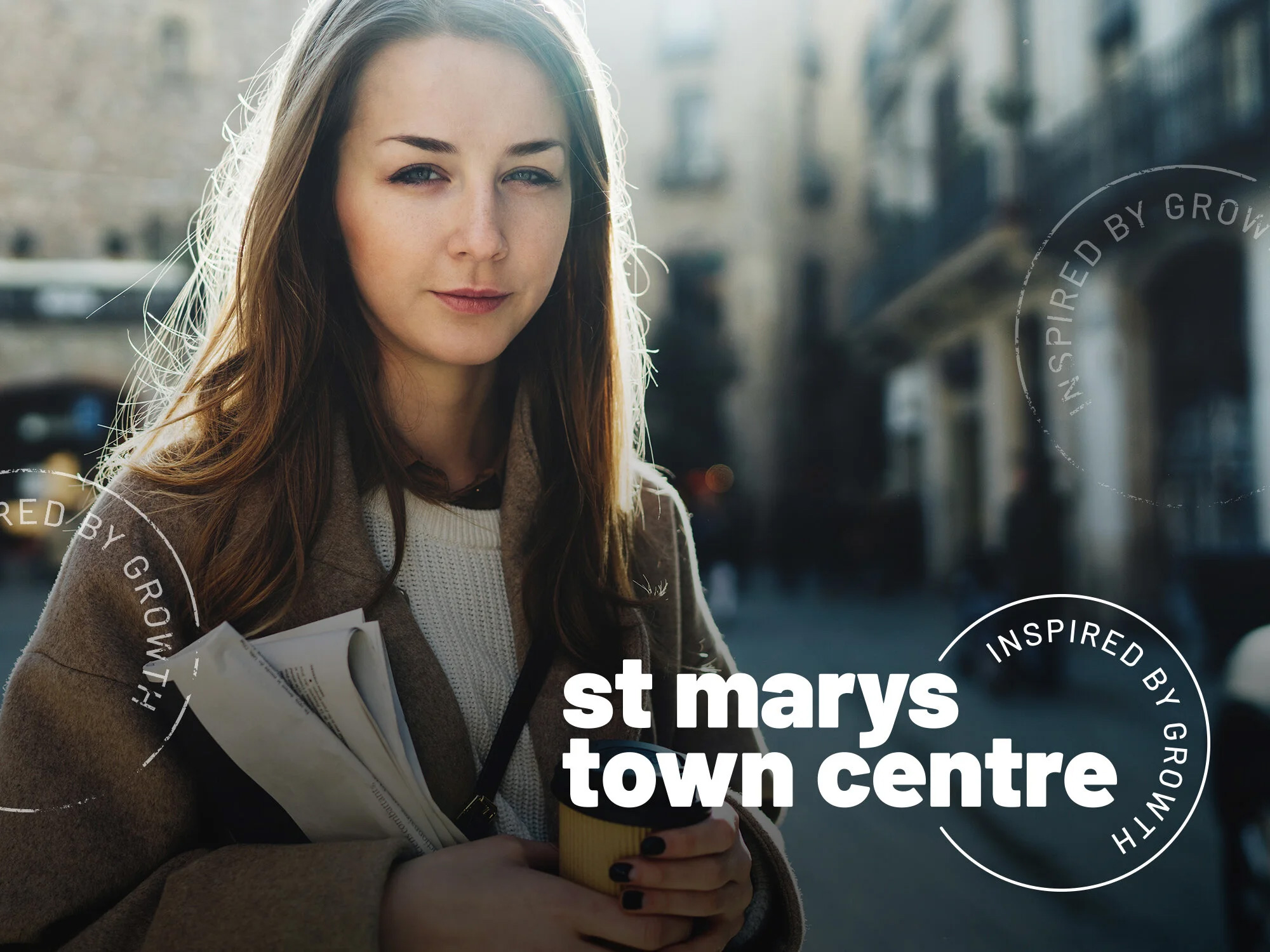
  • St Marys Town Centre brand artwork showing a woman holding a coffee and the Inspired by Growth tagline
    St Marys Town Centre brand identity development
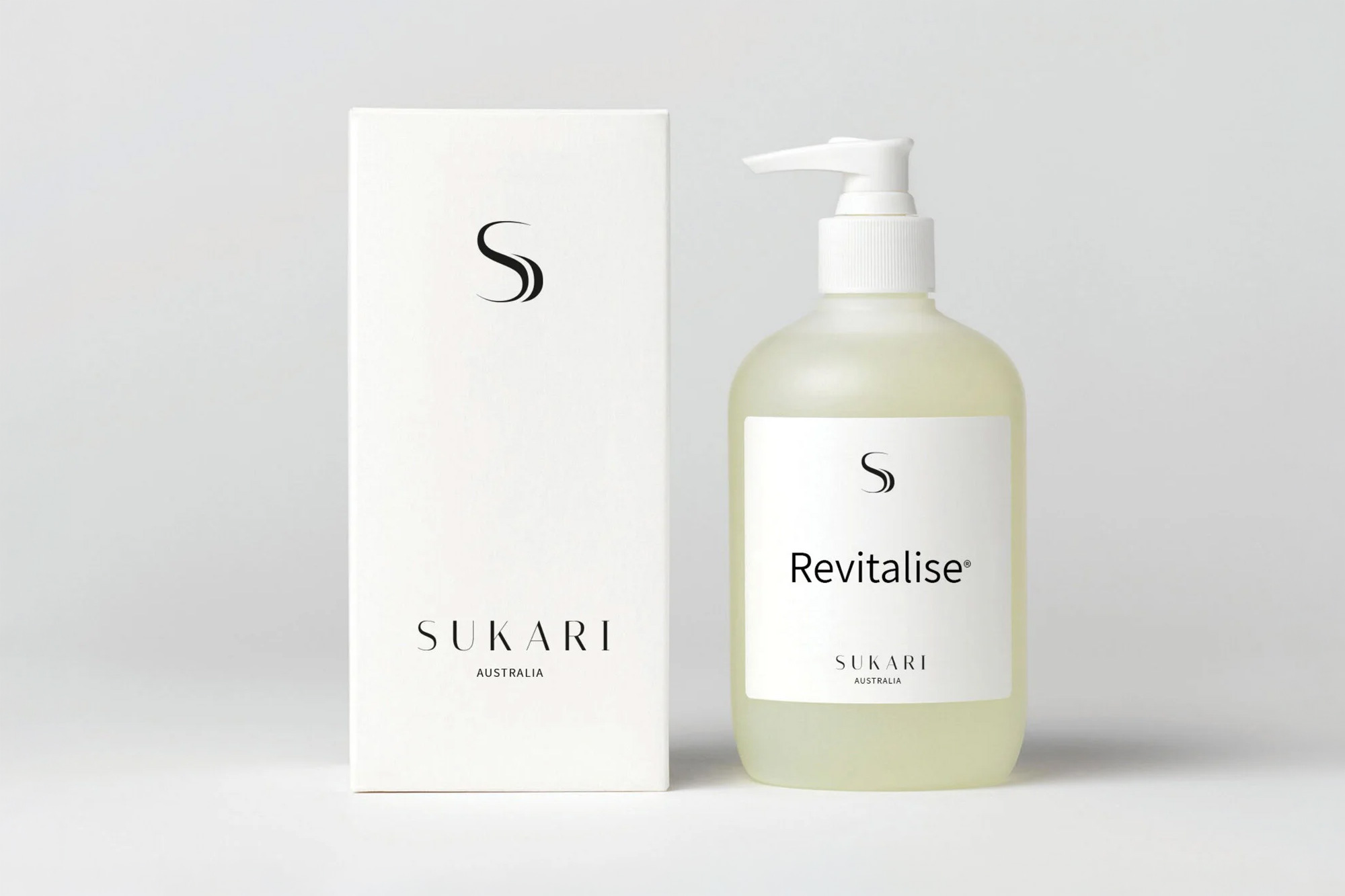
  • Sukari branded Revitalise pump bottle and matching product packaging
    Sukari Interior Design brand identity development
  • Historical Mastercard-inspired Mind Methods branding parody from the original article
    Brand evolution: is there a process for developing a brand identity?