Creative work benefits from a clear foundation
Developing a brand identity brings together imagination, business understanding and deliberate choices. The finished logo may be the most visible result, but the thinking behind it gives the identity a purpose.
A business can change as its products, services, customers and ambitions evolve. Its identity needs to represent what the organisation stands for and help the intended audience recognise it. That does not mean every change requires a new logo. It means checking whether the existing identity still supports the direction of the business.
A useful process creates a foundation for creative exploration without reducing every brand to the same formula. The four stages below describe the approach introduced in this article.
Four stages before the visual identity
1. Understanding
Begin by understanding the organisation: its history, offer, audience, people and ambitions. Listen to the stakeholders who know the business and explore the context in which it operates.
This stage is about asking useful questions before deciding what the answer should look like. What matters to customers? What does the business do well? What needs to change, and what is worth preserving?
2. Clarification
Bring the information together and clarify what the business is, what it wants to become and which ideas are most important. Resolve contradictory assumptions rather than allowing them to reappear later as disagreements about colour, typography or a name.
A clear brief gives the creative team and decision-makers a shared reference. It should distinguish an essential requirement from a personal preference.
3. Positioning
Consider where the brand should sit in the market and why the intended audience would choose it. Positioning connects a meaningful difference with a relevant customer need.
The aim is not to claim difference for its own sake. It is to identify a position the business can credibly support through its offer, communication and customer experience.
4. Brand essence
Distil the central idea that should run through the brand. This gives the team a focus when developing the identity and deciding how it should be expressed.
The essence is not a replacement for the strategy or necessarily a public tagline. It is a concise expression of the thinking that helps the different parts of the brand feel connected.
Turn the thinking into an identity
With that foundation in place, the creative work can explore naming, logos, colour, typography, imagery and other elements of the identity. Each should be assessed against the brief and in the situations where the brand will actually appear.
Assess the identity in the places customers will actually encounter it: a website, a proposal, packaging or signage. A concept that looks appealing on a presentation slide still needs to be legible, recognisable and practical in use.
Keep the approval discussion connected to the brief. Instead of asking only which design people like, ask which direction best expresses the position, what needs refining and whether the team can apply it consistently. Personal taste belongs in the conversation, but it should not replace the business rationale.
Once approved, document the essential rules and provide usable assets. That is how an identity becomes part of everyday communication rather than a design project that ends at the logo.
For more on the decisions behind a name, see Naming your brand.
Brand identity examples from the original showcase
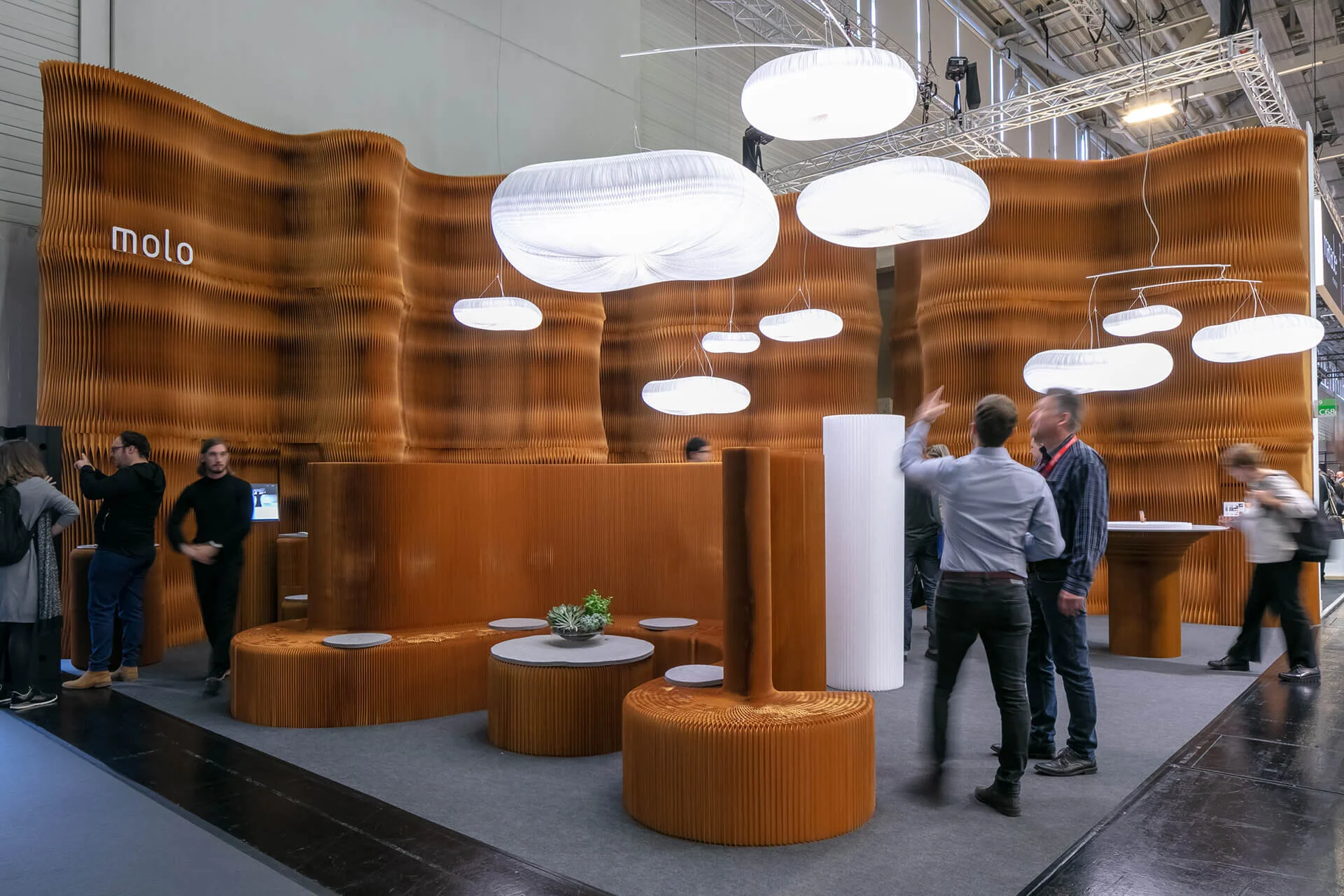
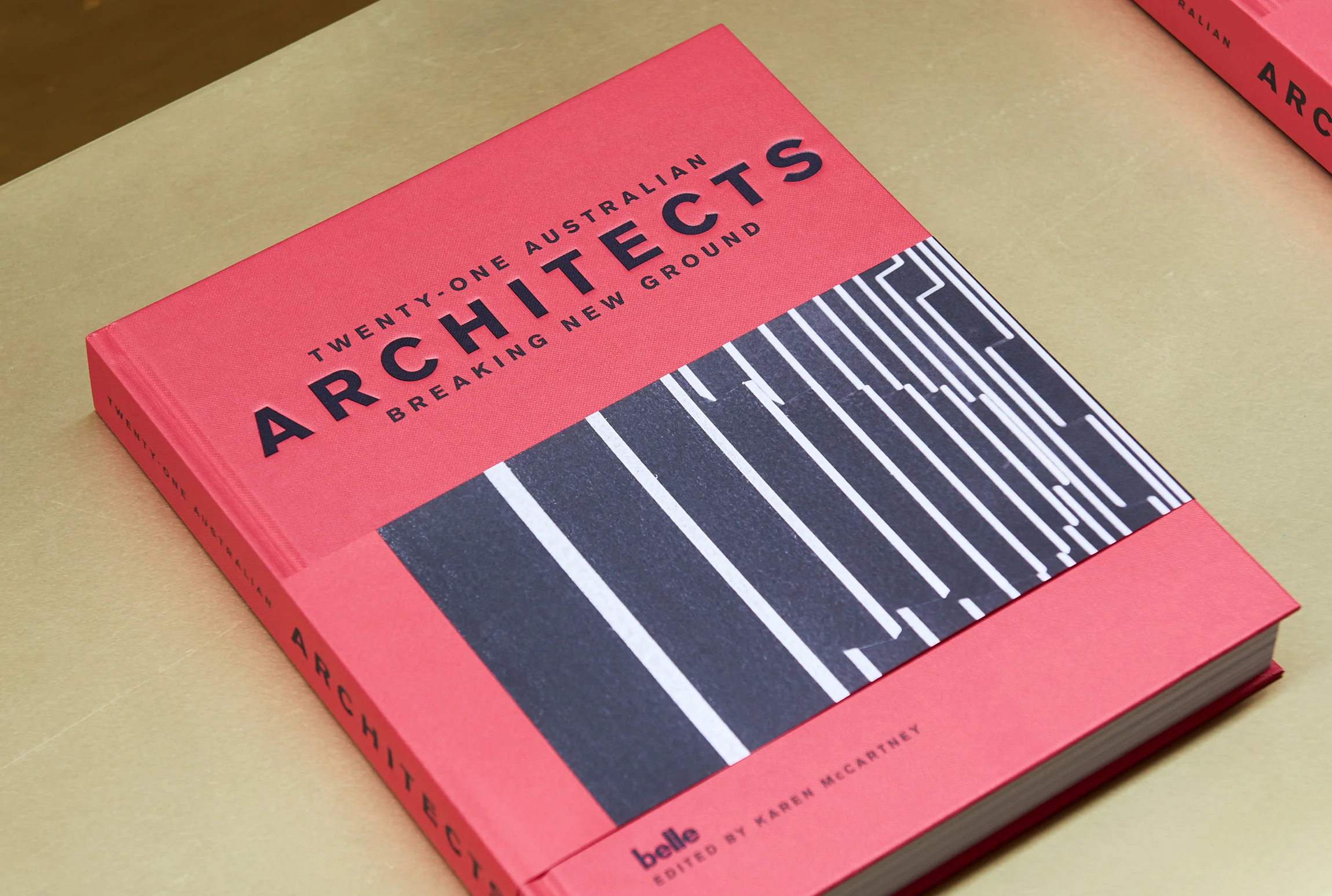
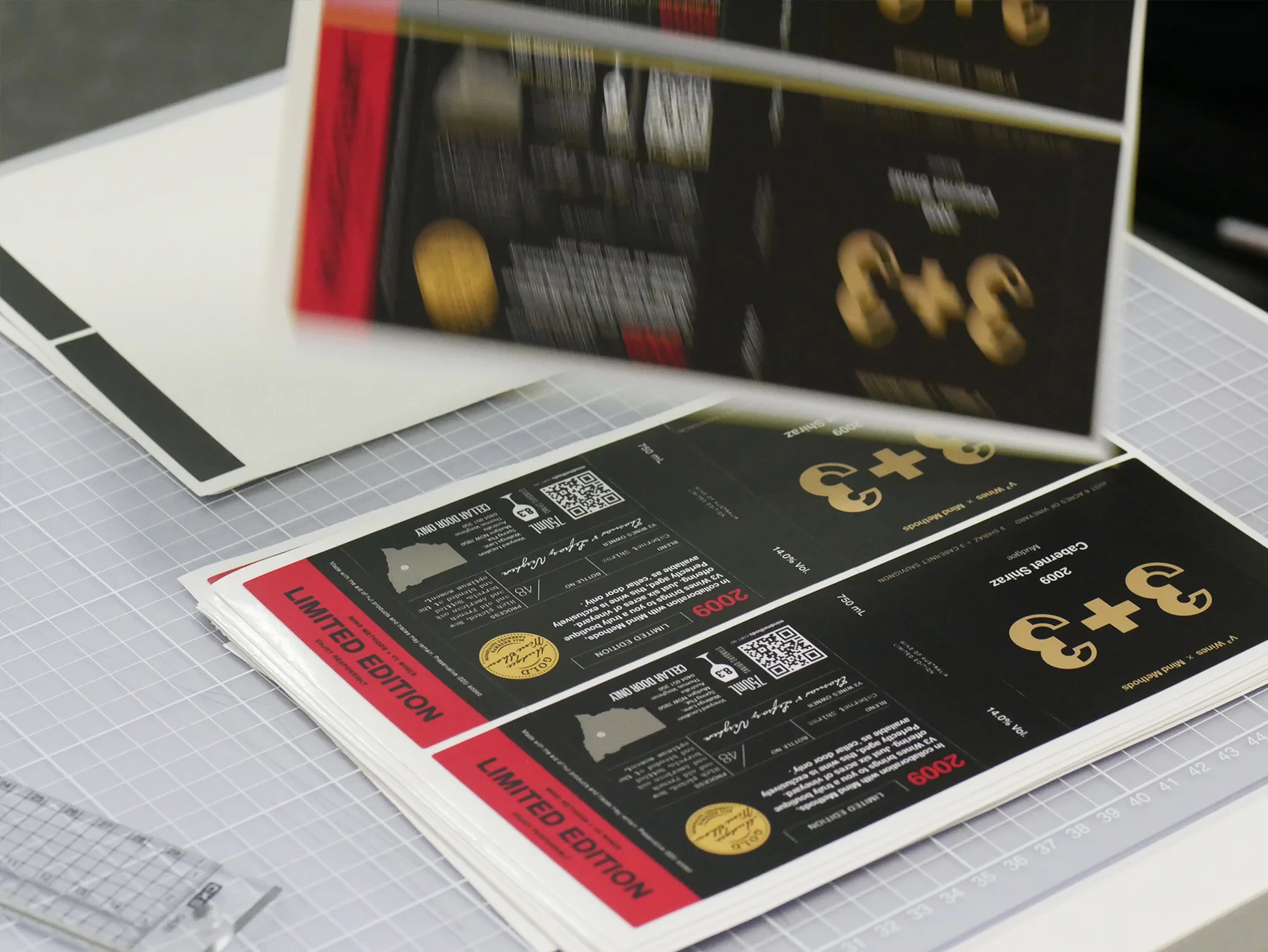
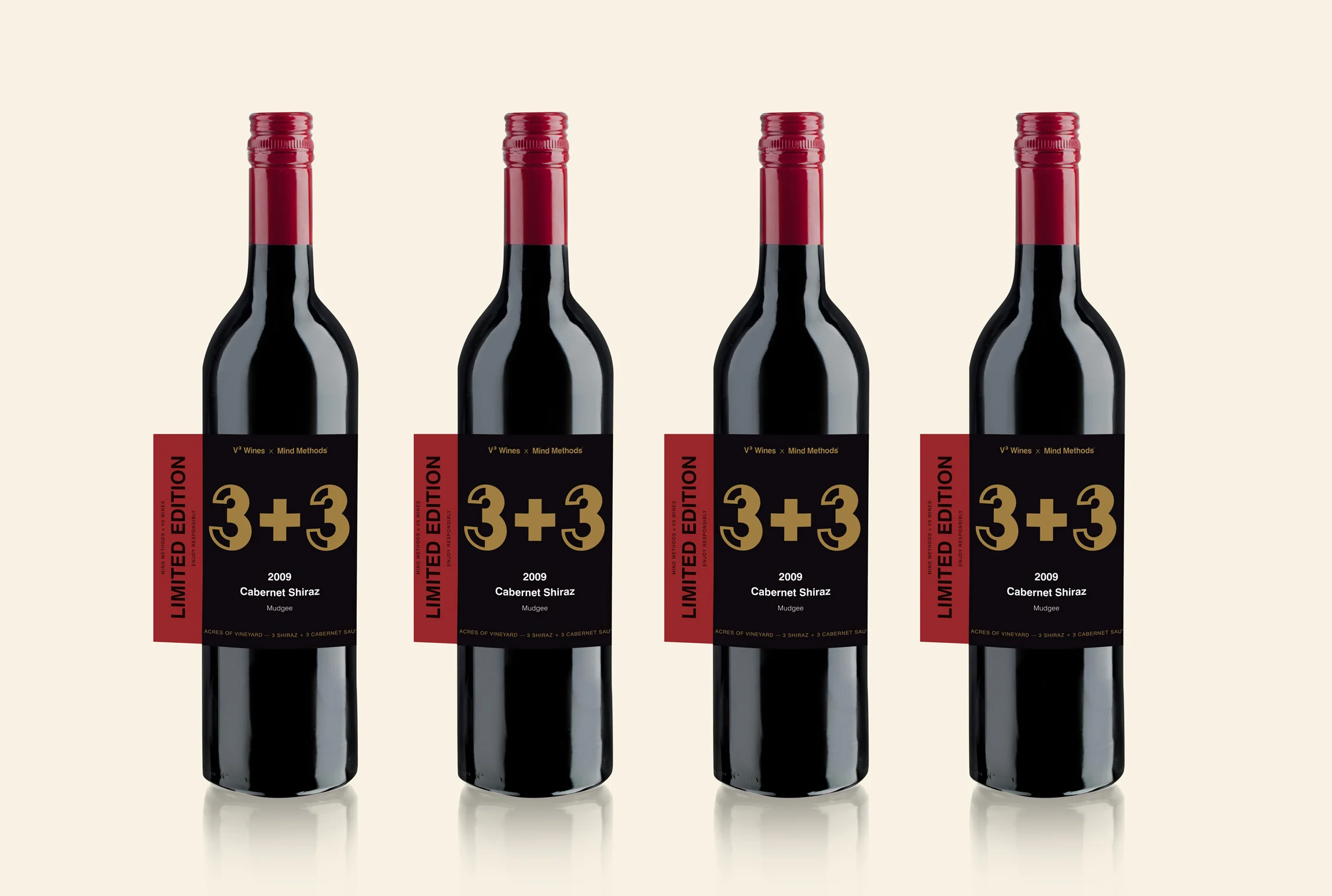
The following logo examples come from the original Mind Methods showcase. They illustrate previous design work, not a statement that each identity or client relationship is current.











Featured artwork: the original Mastercard-inspired brand parody. It is not a Mastercard client project or endorsement.
About the author
Article by Simon Tokic. Simon’s interests include basketball, music and surfing. Before running Sydney marketing agency Mind Methods, he worked on brands including Sony Pictures, Universal Pictures, Glad, Chux, Armor All, Clorox, Barbeques Galore and Anglicare.