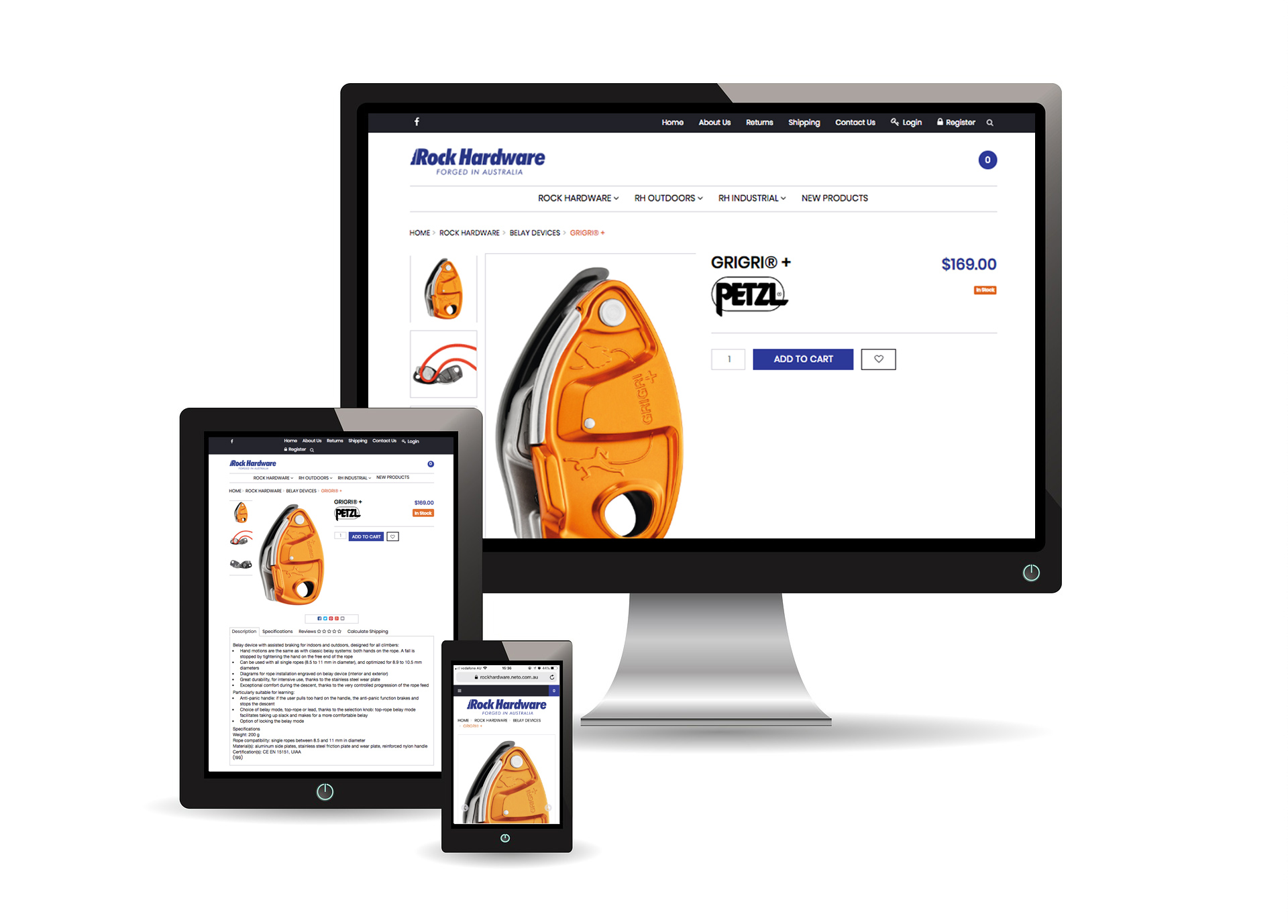
Make your products easier to choose.

A product ad can win the click and still lose the sale. Price, availability, imagery, delivery and the experience after the click all shape the decision. Google Shopping and eCommerce advertising work best when those details support the same commercial goal.

Mind Methods helps connect product data and campaign priorities with how your store actually makes money. We look at the range you want to grow, the products you can fulfil confidently and the information shoppers need before they buy.

Whether you are launching product advertising or making sense of an existing account, the starting point is a practical review of your feed, store and measurement. The aim is a clearer plan for testing demand, improving the purchase journey and judging performance beyond a headline revenue figure.

Explore the wider mix through our paid media and online advertising services.

“Good marketing is clarity plus courage. Clarity about the customer and what truly moves them. Courage to focus on the few activities that will make the biggest difference. Our job is to bring both, so your team knows exactly what to do next, and why.”

Simon Tokic, Co-Founder, Mind Methods

24%

of Australian retail spend online

Online shopping is a substantial part of retail.

Online purchases accounted for 24% of Australian retail spending in 2025.

Planning implication: connect product advertising with stock, service and fulfilment decisions, rather than treating it as a separate marketing channel.

2026 eCommerce Report; 2025 data
Australia Post reporting CommBank iQ retail data; excludes a claim about any one advertising channel.

81%

of shoppers compare deals

Your products are being compared.

Australia Post reports that 81% of shoppers shop around for deals.

Planning implication: make price, benefits and important differences clear before asking shoppers to choose your store.

2026 eCommerce Report; 2025 data
Australian shopper survey, 2025. Stated shopping behaviour, not a Google or Meta advertising result.

69%

want delivery options at checkout

The delivery promise is part of the offer.

Australia Post found 69% of shoppers wanted a choice of delivery options at checkout.

Planning implication: surface delivery choices and costs early enough to support the decision the product ad starts.

2026 eCommerce Report; 2025 data
Australian Omnibus survey, November 2025. Customer preference, not a measured conversion uplift.

~70%

average cart-abandonment rate

Paid traffic cannot fix every checkout problem.

Baymard calculated an average of 70.22% across 50 documented shopping-cart abandonment studies.

Planning implication: check the purchase journey alongside campaign settings before increasing spend to compensate for lost baskets.

Study compilation updated September 2025
Mixed markets, methods and study years. Not an Australian benchmark or the share of sales recoverable through remarketing.

Find the friction between click and checkout.

01
Your products are in the catalogue but not showing as expected.
Start with the product information.

Review feed structure, product identifiers, imagery, price and availability against the store and platform requirements. Separate data issues from campaign choices so the next action addresses the cause.

02
Advertising revenue is growing, but the margin is not.
Bring commercial priorities into the account.

Consider product margin, returns, discounts and fulfilment costs alongside advertising spend. We can help define a more useful view of performance and identify which ranges deserve a different approach.

03
Clicks reach the store, then shoppers disappear.
Make the next step easier.

Review product pages, delivery information, mobile shopping and checkout friction. Identify changes that make the offer clearer, with store development and creative work scoped separately from campaign management.

04
A seasonal range needs attention without exhausting the budget.
Plan around the products you can support.

Build a focused brief around availability, promotional dates, priority products and review points. Agree on when to adjust or stop activity, rather than leaving seasonal spend running after the opportunity has changed.

Questions before we get started

The scope can cover product-feed review, Merchant Center setup checks, campaign planning, product prioritisation and measurement. We identify responsibilities for store data, creative and implementation before starting. Ongoing management is a separate scope decision, not an assumed inclusion.

Yes. We begin with the store and systems you already use, including how product data is maintained. We assess whether the current setup supports accurate feeds, a usable purchase journey and dependable reporting before recommending additional development.

Not necessarily. Margin, demand, availability and business priorities can differ across a range. We help make those differences visible in the brief and account review rather than treating every product or category as equally valuable.

Revenue and return on ad spend are useful inputs, but they are not profit. Where reliable data is available, the discussion should also include cost of goods, returns, discounts and fulfilment. We agree on reporting that reflects your business, without promising a fixed return.

We can investigate likely feed, store or account issues and identify the steps needed to address them. Platform approval remains with the platform. Changes involving store code, product data ownership or specialist policy review are made clear in the scope.

Yes. A focused review can establish the priorities, dependencies and a realistic testing plan. It is particularly useful when the account has been inherited, reporting is inconsistent or the business needs confidence before investing further.

Related campaign thinking