Better media decisions. Not just more spend.

Paid media should start with a business goal, not a list of platforms. Whether you need more relevant enquiries, stronger product demand or a clearer view of what your advertising is doing, the first job is to connect the audience, offer and channel to the outcome that matters.

Mind Methods brings strategic direction to paid media and online advertising: deciding where to focus, what to say, where to send people and how to assess the response. We can shape a focused brief, help improve an existing campaign or connect media with the creative, website and measurement work it depends on.

Start with the challenge in front of you. We will help define a practical scope around your goals, team and resources, rather than assuming more channels or a larger budget is the answer.

Choose the channels that fit the job.

  • Google Search Ads

    Reach people actively searching for the products, services or answers your business can provide.

  • Google Display & Remarketing

    Support awareness and relevant follow-up with display advertising and carefully considered remarketing.

  • Google Shopping & eCommerce Ads

    Connect product discovery with your online store through shopping campaigns and eCommerce advertising.

  • Paid Social Advertising

    Plan paid social around the audience, message and action that matter to your business.

  • Meta Facebook & Instagram Ads

    Develop Facebook and Instagram advertising that connects your offer with the people it is relevant to.

  • LinkedIn Advertising

    Explore LinkedIn campaigns aligned with professional audiences and your B2B marketing objectives.

  • YouTube & Video Advertising

    Use video to communicate your offer and support discovery across relevant YouTube and video placements.

  • Retail Media Advertising

    Assess retailer advertising opportunities against your products, audience and route to market.

“Good marketing is clarity plus courage. Clarity about the customer and what truly moves them. Courage to focus on the few activities that will make the biggest difference. Our job is to bring both, so your team knows exactly what to do next, and why.”

Simon Tokic, Co-Founder, Mind Methods

4.8

discovery touchpoints

One channel rarely tells the whole story.

Online shoppers used an average of 4.8 product-discovery touchpoints in the 2025 research.

Planning implication: give each channel a clear role and connect the experience between them.

Commerce Report 2025
Australia and New Zealand commerce research; online shopping, not a universal B2B benchmark.

72%

cutting non-essential spending

The reason to choose you needs to be clear.

The 2025 report found 72% of consumers were cutting back on non-essential purchases.

Planning implication: test the offer and value message, not only targeting and bids.

Commerce Report 2025
Consumer shopping research; historical context, not a current estimate for your audience.

59%

of shoppers aged 18-39

Discovery depends on the audience.

In the 2025 research, 59% of 18-39-year-olds said social media mattered to finding products to buy.

Planning implication: choose channels around audience behaviour rather than a standard media mix.

Commerce Report 2025
Online shoppers aged 18-39; this finding does not describe all age groups or sectors.

No.1

for cross-checking information

Discovery is only part of the decision.

Google ranked first for cross-checking information among Australian Google Search users surveyed in March 2024.

Planning implication: make the information people find after seeing an ad consistent and useful.

March 2024; reported August 2025
Google-commissioned research; 6,846 Australian Google Search users, not all consumers.

Start with the problem, not a package.

01
The spend is clear. The return is not.
Find out what the numbers can actually tell you.

Review the campaign objective, conversion definitions and the path from enquiry to outcome. A focused diagnostic can separate a media issue from a measurement gap and identify what needs attention next.

02
Your channels are working in isolation.
Give the activity one shared direction.

Bring the audience, message, creative and landing-page journey into one brief. Clarify the role of each channel and the priorities for your team and delivery partners, so the work supports the same goal.

03
You want to grow, but are unsure where to invest.
Make the next investment a considered decision.

Compare the opportunities against your objective, available evidence and capacity to deliver. Define a focused test, the decisions it needs to inform and what would justify continuing, changing direction or stopping.

Questions before we get started

Start with who you need to reach, what they are trying to do and the action you want them to take. We use that context to recommend a focused mix. You do not need to use every channel listed on this page.

Yes. An existing campaign can be the starting point for a focused review. The scope should identify what we will examine, what access is needed and whether the next step is advice, a revised brief or implementation support.

There is no useful one-size-fits-all figure. The budget depends on the audience, objective, offer, competition and the evidence needed to make a decision. Media spend, agency services and any creative or website work should be distinguished in the agreed scope.

Agree on the outcome and its measurement before judging performance. That may include enquiry quality, sales or revenue where reliable data is available. Platform metrics can help diagnose activity, but should not be mistaken for confirmed business results.

Yes. We can help align the brief, channel roles and measurement with your existing people and partners. Responsibilities, approvals and the work each party owns should be clear at the start.

That depends on the agreed scope. Paid media often raises questions about the message, creative or website experience. We can identify those dependencies and scope the relevant support rather than assuming they are included in campaign management.

Yes. Start with the decision or issue you need help with. We can discuss a focused review or planning engagement and whether ongoing support is useful. Deliverables, fees and timing are agreed before work begins.

Your business objective, the audience you are trying to reach, the current activity and the questions you need answered. A rough brief is enough to begin discussing the scope. Any system access can be arranged separately through an appropriate secure process.

See the thinking in action.

  • Retail activation and digital marketing for Lander
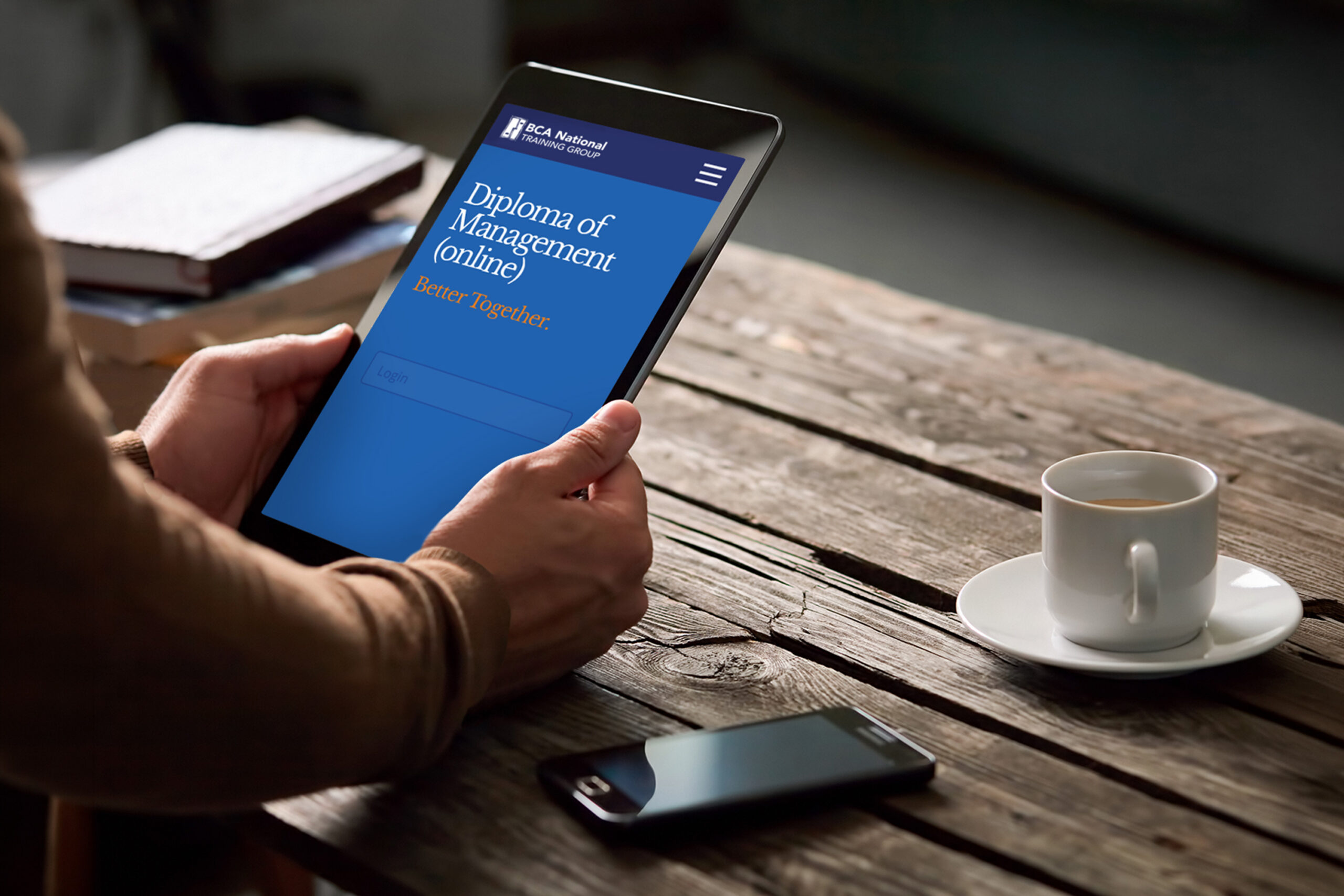
  • BCA National online Diploma of Management campaign displayed on a tablet
    BCA National Better Together campaign
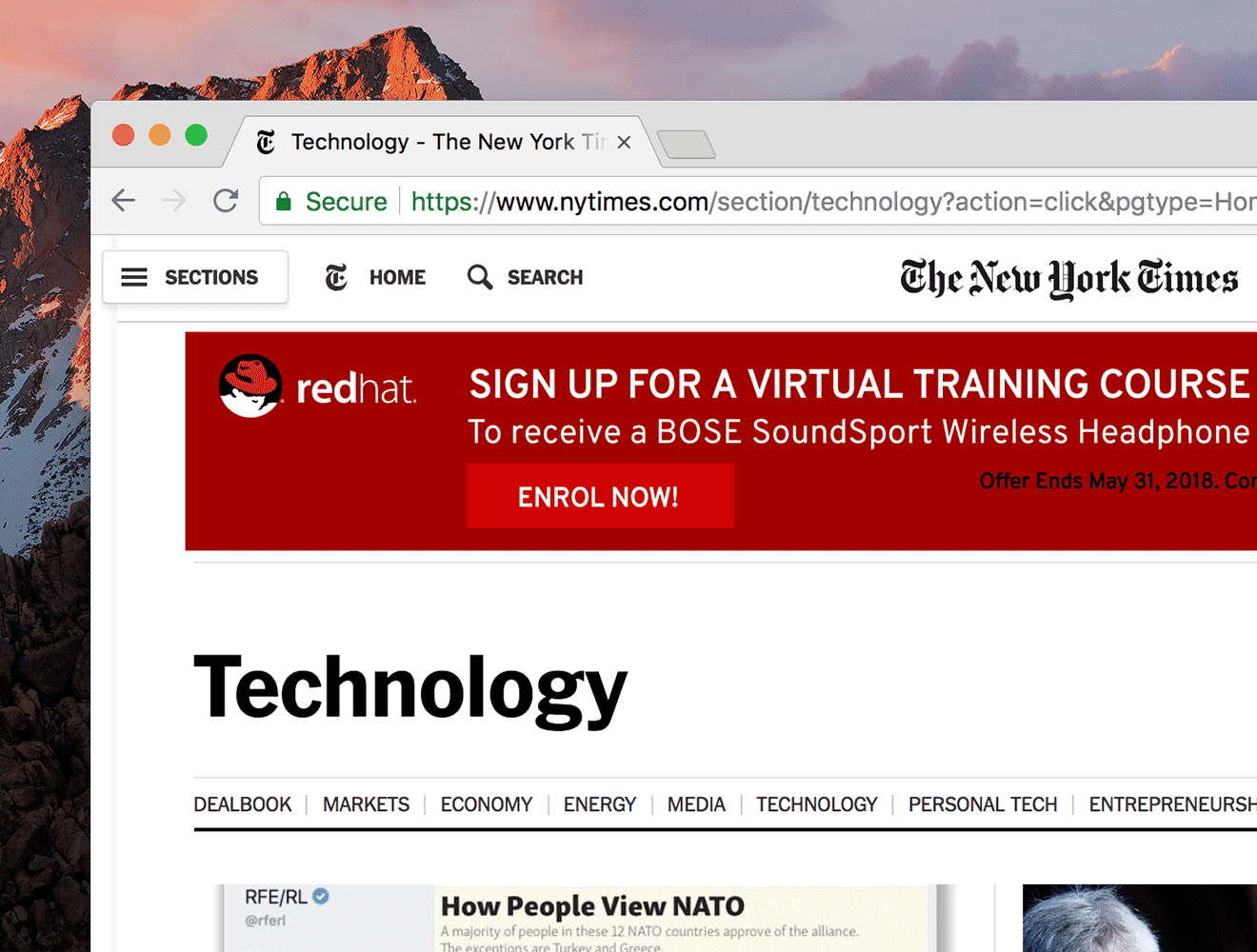
  • Red Hat virtual training course banner shown on a technology news page.
    IT tech industry online ad training campaign