A request such as ‘we need a new brochure’ tells an agency what to make, but not necessarily what the business needs to achieve. Are customers struggling to understand the offer? Does the sales team need help explaining it? Has the business changed?
Those questions are the start of a useful brief. Getting clear on the job before choosing the deliverable gives the agency a better chance of recommending the right work, rather than simply producing what was first requested.
You do not need to be a marketing expert, or arrive with the solution already worked out. The value of a brief is in sharing the situation, the objective and the constraints so that the right work can be defined.
Who is this article for?
This is for people preparing to work with an agency or consultant, particularly when they want to take ownership of a project but are unsure where to start.
Think of an agency as a team that needs context, priorities and feedback, just as an internal team would. Be clear about what is included in an introductory discussion and what requires paid research, strategy or creative development. Agreeing on that boundary avoids mismatched expectations on both sides.
Preparation does not mean creating a perfect document. Even a concise explanation of the problem can make the first discussion more useful.
Why an open-ended growth question needs context
Agencies are often asked, ‘What should we do to grow our business?’ It is a valid question, but a responsible answer depends on understanding the business, its customers and the situation it faces.
At a first meeting, there may be little background information, no specific brief and no marketing or business plan to guide the discussion. An agency can explore possibilities, but those initial ideas should not be mistaken for a fully researched recommendation.
The aim is to identify what is known, what needs to be learned and which decisions the work must support. A brief provides the starting point for that process.
What to include in a marketing brief
Describe the project or problem as clearly as you can. The following information is a useful starting point:
- Your current situation: what the business does, whom it serves and what has prompted the work.
- Your objectives: what needs to change and how you expect to recognise progress.
- Your budget and resources: the available investment, internal capacity, assets and time.
- The challenges: obstacles, dependencies and constraints that could affect delivery.
- Previous activity: what has been tried and what the available evidence says about it.
- What has worked: useful customer feedback, successful approaches and lessons worth retaining.
- Relevant inspiration: examples you value and an explanation of why they matter.
- Competitors and alternatives: what customers might choose instead and what you know about those options.
Also identify the people who will provide information, review the work and approve decisions. Distinguish a fixed deadline from a preferred date, and note any approvals the project still needs.
Be clear about the limits
A smaller budget is not something to hide. Explain how much is available, what it needs to cover and whether it must support one project or a longer period of activity.
Be equally clear about internal resources. A plan that depends on weekly content, rapid approvals or extensive data preparation will be difficult to deliver if nobody has capacity for those tasks.
An appropriate response may be a narrower scope, a phased approach, a discovery exercise or a referral. The objective is a workable engagement, not an impressive list of activities that the business cannot sustain.
Choose the right type of brief
Creative brief
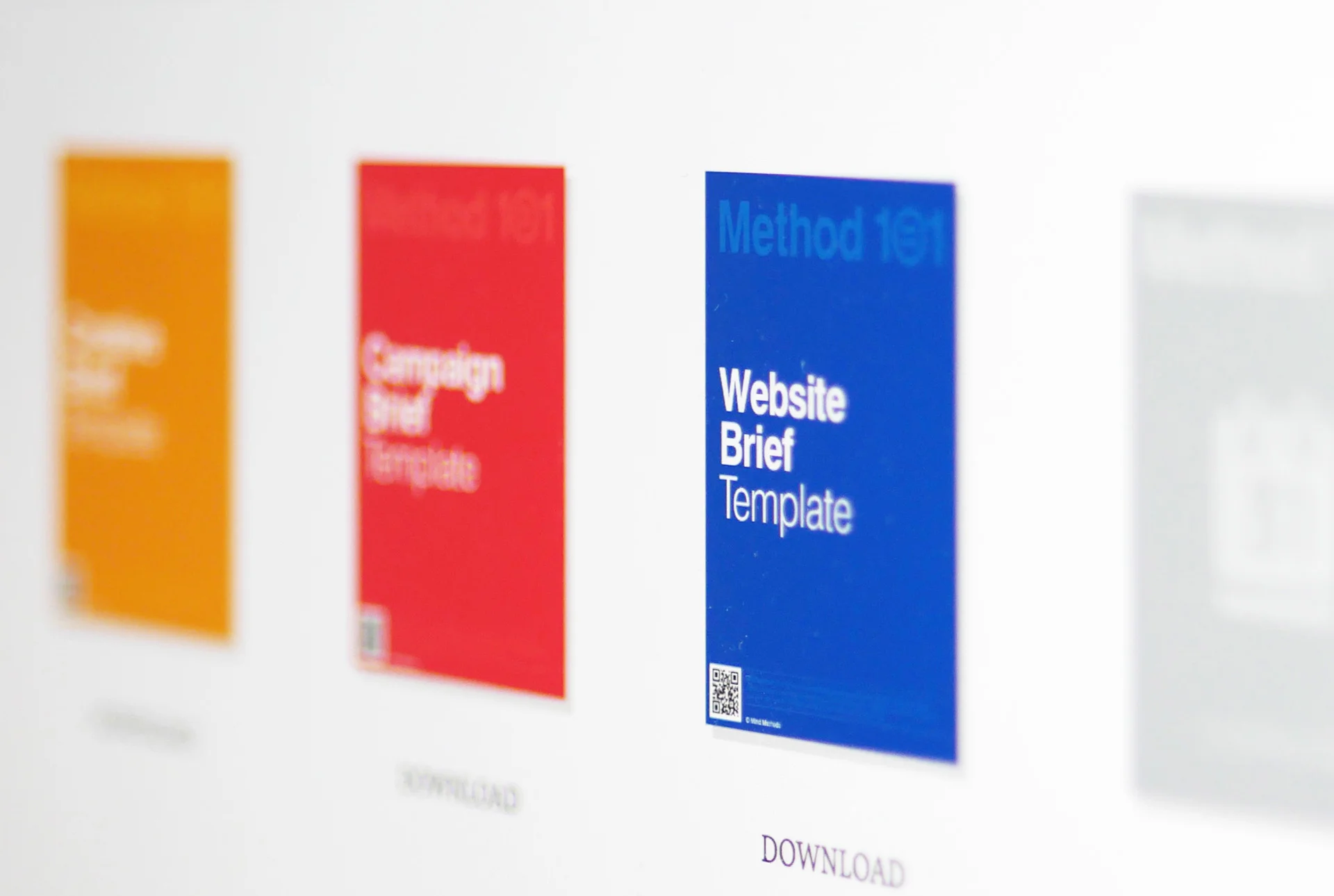
Use a creative brief for a defined communication or piece of collateral. Explain the audience, message, intended response, required deliverables and any brand or production requirements.
Campaign brief
Use a campaign brief when several activities need to work together toward an objective. Include the offer, audience, channels under consideration, budget, timing and how responses will be followed up.
Website brief
Use a website brief to explain what the site needs to help people do, the content and functionality required, and the responsibilities for updates and maintenance.
Systems brief
For work involving a customer database, email platform, ordering system or another business tool, describe the process first. Explain the current problem, the desired workflow, the data involved and the systems it must connect with before selecting software.
Discovery and reverse brief
When the problem is not yet clear, start with background information and an agreed discovery scope. A reverse brief lets the agency restate its understanding, assumptions and proposed scope for you to review before implementation begins.
What a good brief makes possible
A brief will not answer every question. Follow-up discussions are still needed to clarify assumptions, test feasibility and agree on the work.
It does, however, provide a shared reference for the objective, scope, budget, timing and responsibilities. It helps the agency focus its recommendations and helps your colleagues understand what they are being asked to support.
Keep the document current when material decisions change. Use it to review whether the proposed work still addresses the original problem, and record any agreed changes rather than relying on different recollections.
The most useful question remains: what do we need to achieve with the resources we have? A clear answer gives both the business and its agency a stronger starting point.
Article by Simon Tokic
Simon enjoys basketball, music and surfing, alongside applying marketing fundamentals in strategic and creative ways. His experience before Mind Methods included work with Sony Pictures, Universal Pictures, Glad, Chux, Armor All, Clorox, Barbeques Galore and Anglicare.