Built to work. Ready to evolve.

A website is not finished when it resembles the design. It needs to behave properly when someone sends an enquiry, changes a product, follows a link or updates a page. The quality of the build shows up in those everyday moments.

Mind Methods connects website development with the decisions made in strategy, UX and design. We translate approved interfaces into reusable components and manageable content fields, then test the important journeys, integrations and responsive behaviour. For WordPress development, that means making deliberate choices about the theme, plugins and custom work rather than adding another dependency whenever a problem appears.

An existing site may need a focused repair rather than a rebuild. A new site may need a difficult integration proved before the rest of the project scales. We identify those decisions early, define what is included and keep review environments separate from the live business.

The handover should leave your team knowing what they can edit, what needs development support and how future changes are made. Explore how this fits our website design, development and eCommerce services.

“Good marketing is clarity plus courage. Clarity about the customer and what truly moves them. Courage to focus on the few activities that will make the biggest difference. Our job is to bring both, so your team knows exactly what to do next, and why.”

Simon Tokic, Co-Founder, Mind Methods
17%

cite website errors or crashes

The important journey needs to work.

Baymard lists site errors or crashes among US shoppers' reported reasons for abandoning checkout, at 17%.

Planning implication: Test enquiries, payments and other critical actions, not just the home page.

2026 survey summary; fieldwork dates not supplied
US self-reported checkout abandonment reasons; not the percentage of all orders lost.

95.9%

of tested home pages had detected failures

Accessibility belongs in the build.

WebAIM detected accessibility failures on 95.9% of the one million home pages it evaluated.

Planning implication: Check the implemented interface and content as well as the design. Automated checks need human evaluation.

February 2026 WebAIM Million study
Popular global home pages; automated detection only, not a full accessibility or legal assessment.

24%

of Australian retail spending is online

The website is part of the operating model.

Australia Post reports that online purchases accounted for 24% of Australian retail spending in 2025.

Planning implication: Build around the real transaction, enquiry and fulfilment requirements of the business.

2026 eCommerce Report; 2025 data
Australian retail spending, based on CommBank iQ data; not all business purchasing or a conversion benchmark.

8%

more sales in one performance experiment

Measure performance where it matters.

Vodafone reported 8% more sales in a landing-page A/B test with a 31% improvement in Largest Contentful Paint.

Planning implication: Set a performance baseline and test important pages before and after meaningful changes.

Published 17 March 2021; historical experiment
Historical single-company experiment. Not a typical uplift, Australian benchmark or Mind Methods result.

Start with the problem, not a package.

01
The build looks close to the design, but the details keep drifting.
Protect the design through implementation.

Translate approved typography, spacing, components and interaction states into reusable rules. Review representative pages before scaling the build so visual corrections do not become a separate task on every page.

02
A critical form or integration is the part nobody is confident about.
Prove the difficult connection first.

Map the data, permissions and success or failure behaviour. Test the connection in an appropriate environment, with external sends and transactions controlled, before it becomes a launch-day dependency.

03
Simple content changes require developer help every time.
Make the right things editable.

Separate page content from shared presentation. Configure practical editing fields and reusable components, then show your team the difference between a routine update and a change that needs technical review.

04
A rebuild risks losing useful content, enquiries or search visibility.
Make continuity part of the build plan.

Inventory existing pages, URLs, forms and integrations. Agree on migration, redirects, data handling and launch checks, with a recovery route that protects new activity rather than blindly replacing the live site.

Questions before we get started.

Yes. We review the design files, responsive requirements and interaction states, then agree on the implementation approach. Any gap or platform constraint is raised for a decision rather than quietly changing the design during development.

WordPress is a core part of our website work. We assess the requirements before confirming a platform or delivery model. Where another CMS or specialist application is a better fit, its implementation, support responsibilities and costs are made explicit.

Often, the useful first step is a focused technical review. We assess the current build, dependencies and priority journeys, then separate practical fixes from changes that genuinely need a larger redevelopment. An existing site is not replaced simply because it was built by someone else.

The agreed scope identifies the pages, devices, browsers, forms and integrations to test, including important failure states. Accessibility and performance evaluation are defined separately where needed. A working preview or a single automated score is not treated as complete acceptance.

We define the routine changes your team needs to make and configure the editing experience around them. Handover can include role-appropriate guidance and training. Shared layouts, integrations and higher-risk settings remain clearly distinguished from everyday content updates.

Content, permissions, routing, enquiry delivery and agreed tests need to be checked, alongside a backup and recovery plan. We also confirm who approves the launch and what happens immediately afterwards. Hosting, ongoing care and third-party licences are visible parts of the scope rather than assumptions.

Related campaign thinking

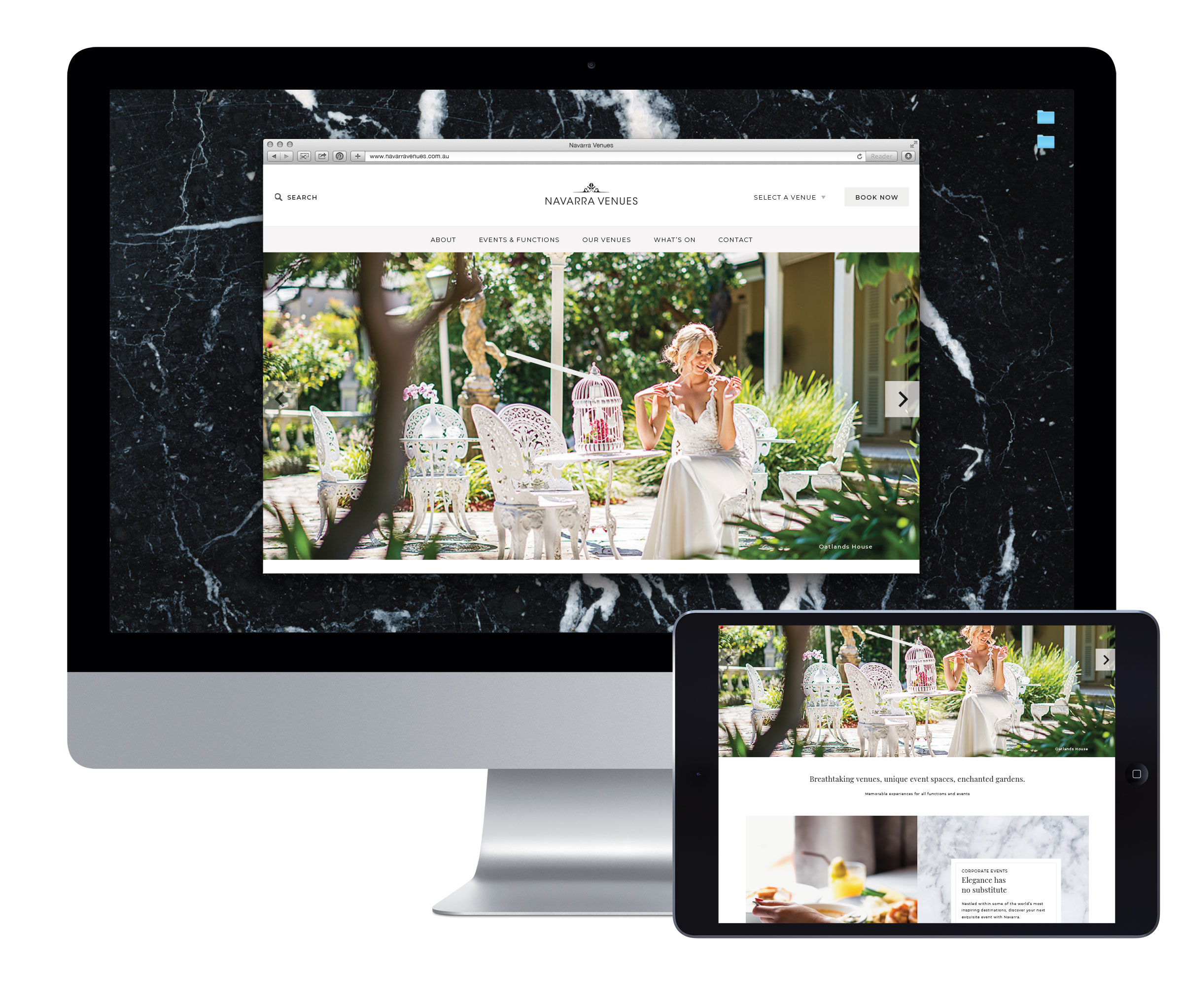
  • Navarra Venues website displayed on a desktop monitor and tablet, featuring its event spaces and hospitality photography.
    Hospitality industry website design
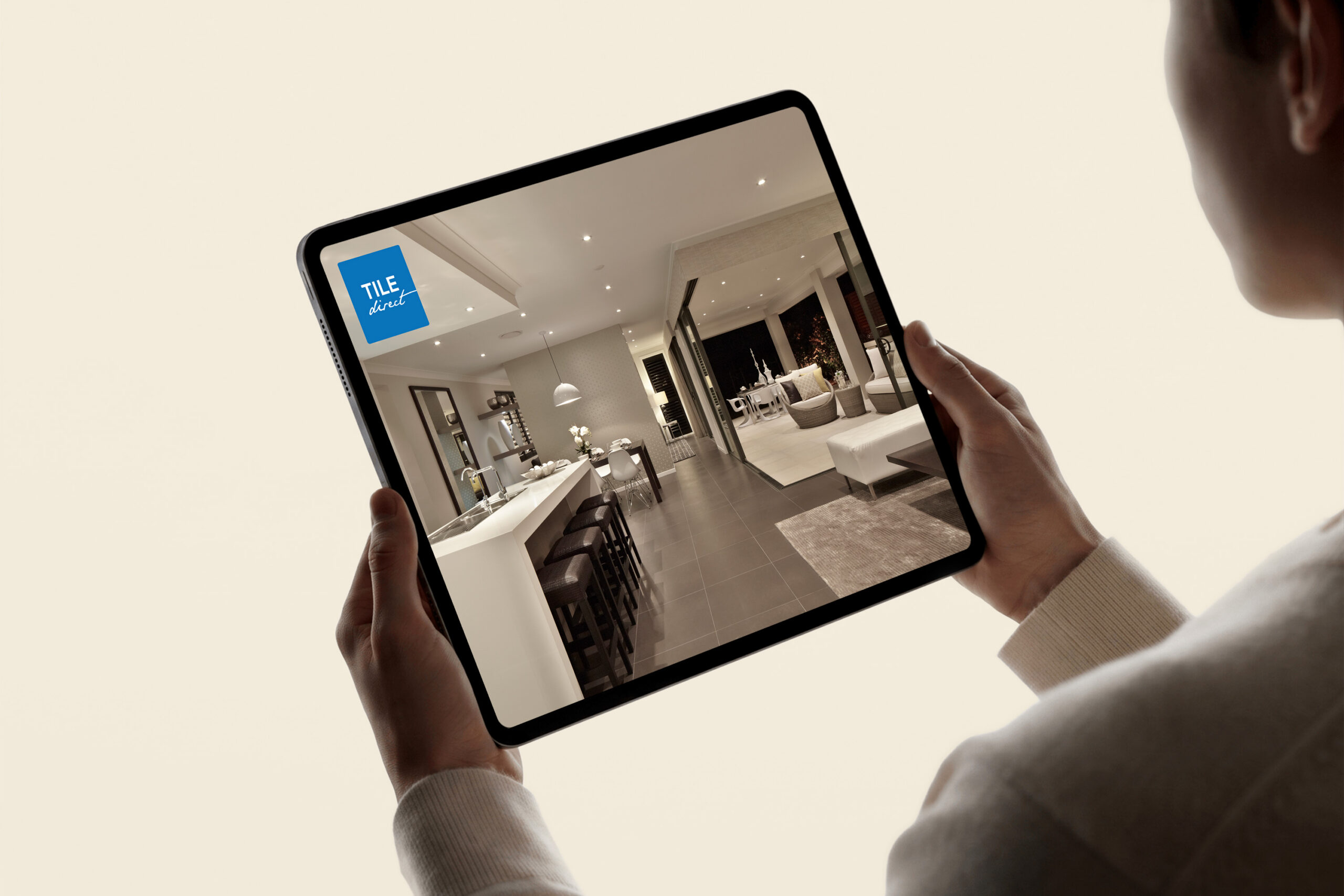
  • Tile Direct website showcasing a bathroom interior on a tablet
    Building and construction online marketing for Tile Direct
  • Original Mind Methods image accompanying the campaign microsites article
    Campaign microsites: when a focused website makes sense