

Navarra Venues
Five websites brought together into one useful guide to the group's venues and events.
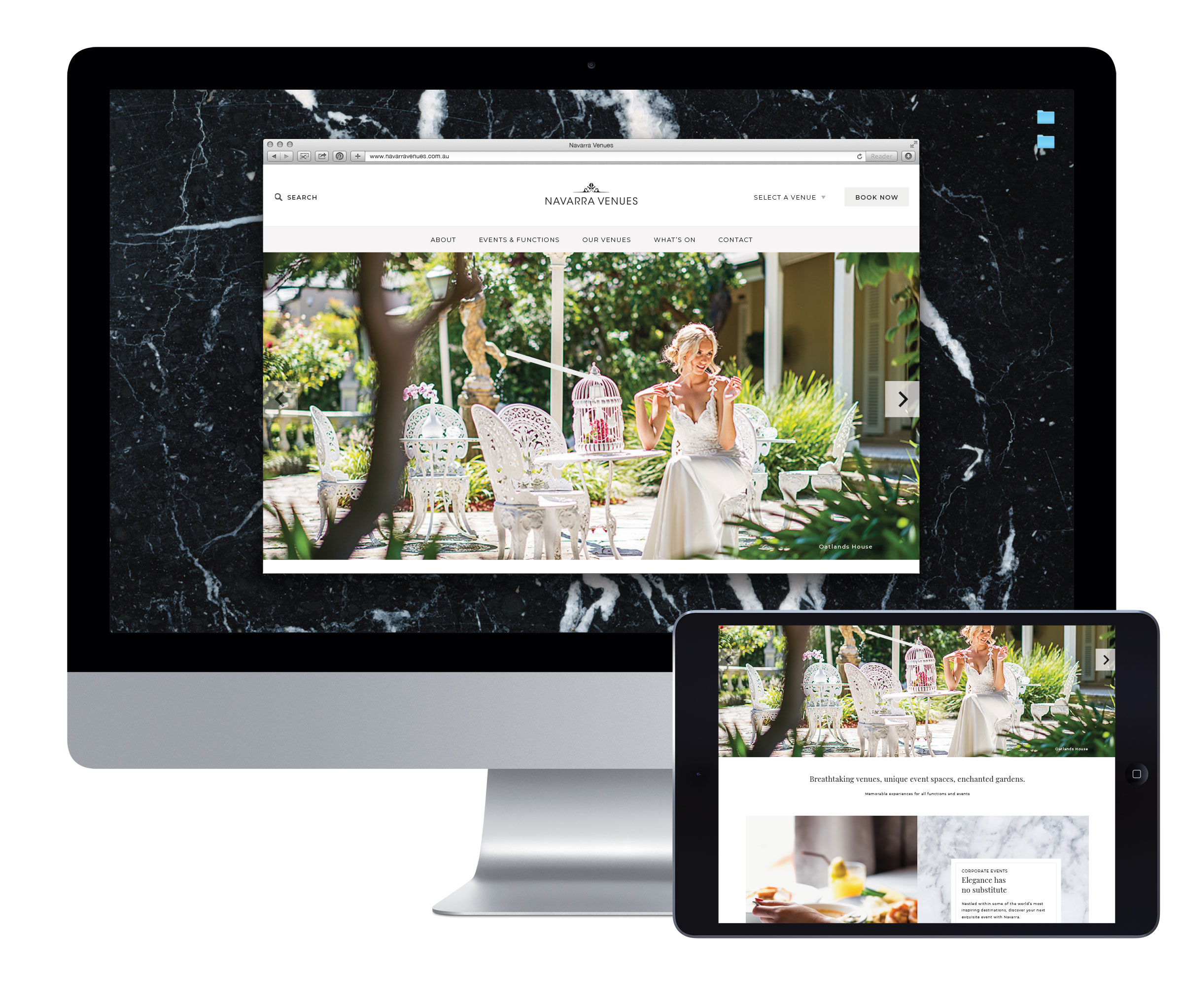
Navarra Venues had a growing collection of locations, event spaces and services spread across five website addresses. The group needed a single online home that could explain the full offer without overwhelming visitors.
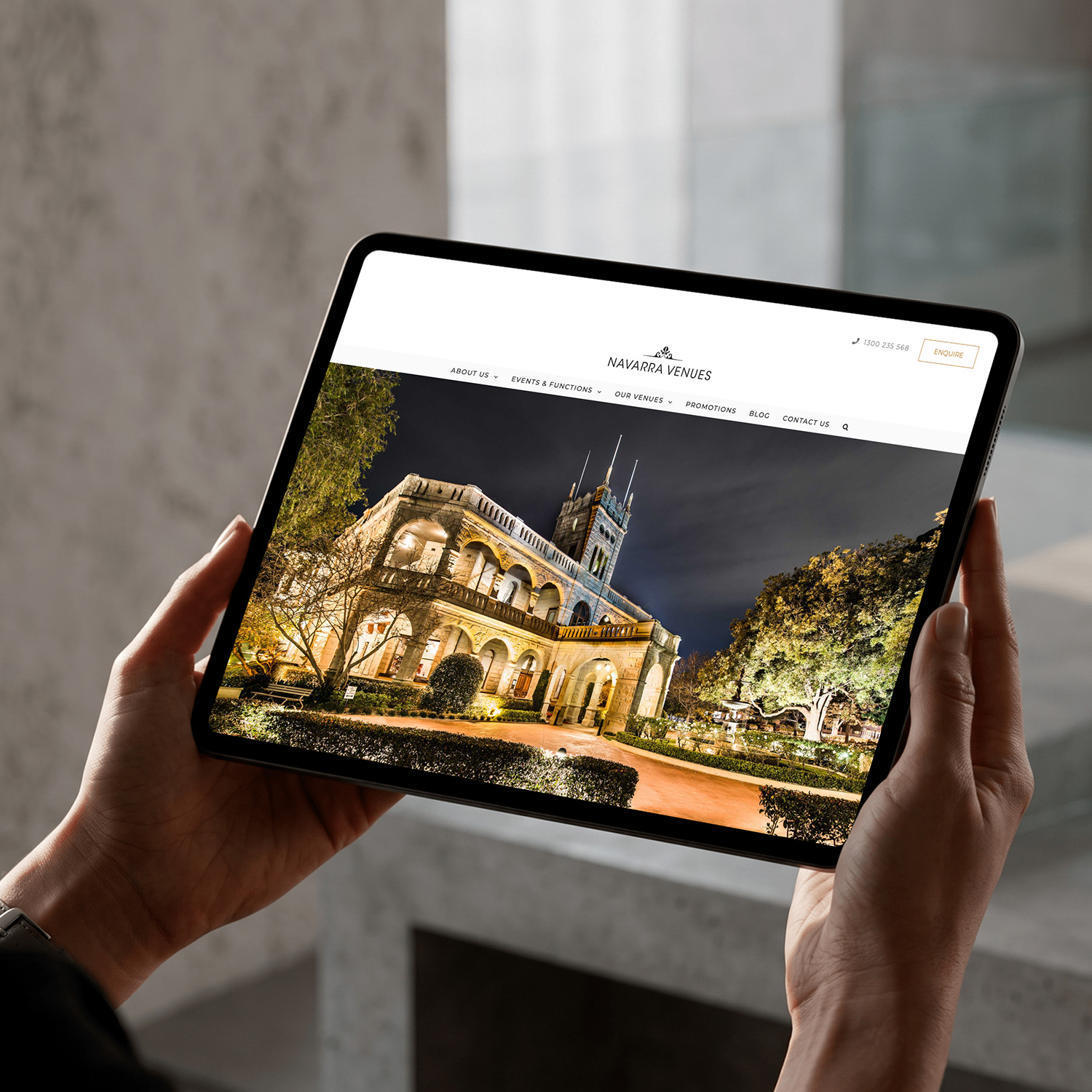
Mind Methods developed a digital strategy and responsive website that brought 45 event spaces into a connected structure. Visitors could explore by venue or event type, while the team gained a platform for ongoing content and marketing communications.
INDUSTRIES:
Hospitality & Venues
SERVICES:
Communications Strategy & Integrated Marketing; Content Strategy; Creative Lab; Digital Marketing Strategy; Marketing Advisory; Marketing Studio; Search Engine Optimisation (SEO); User Experience (UX) Strategy; Website Design; Website Development; Website Platforms & CMS
Needs & Brief
Consolidate the separate websites and make the group’s spaces and services easier to discover. The site needed to support enquiries, protect the existing search foundations and allow the team to keep adding content as the business developed.
Challenges & Context
The business had more than 45 years of experience at the time of the project, creating a substantial story and a large amount of information to organise. Its reputation for weddings was strong, but corporate and private events also needed appropriate visibility.
The challenge was to help visitors find suitable options without making them understand the group’s internal venue structure first.
Strategic & Creative Approach
We organised the site around two complementary ways to browse: event types and venue locations. Cross-references connected them, allowing a visitor to discover alternative spaces or uses that matched their needs.
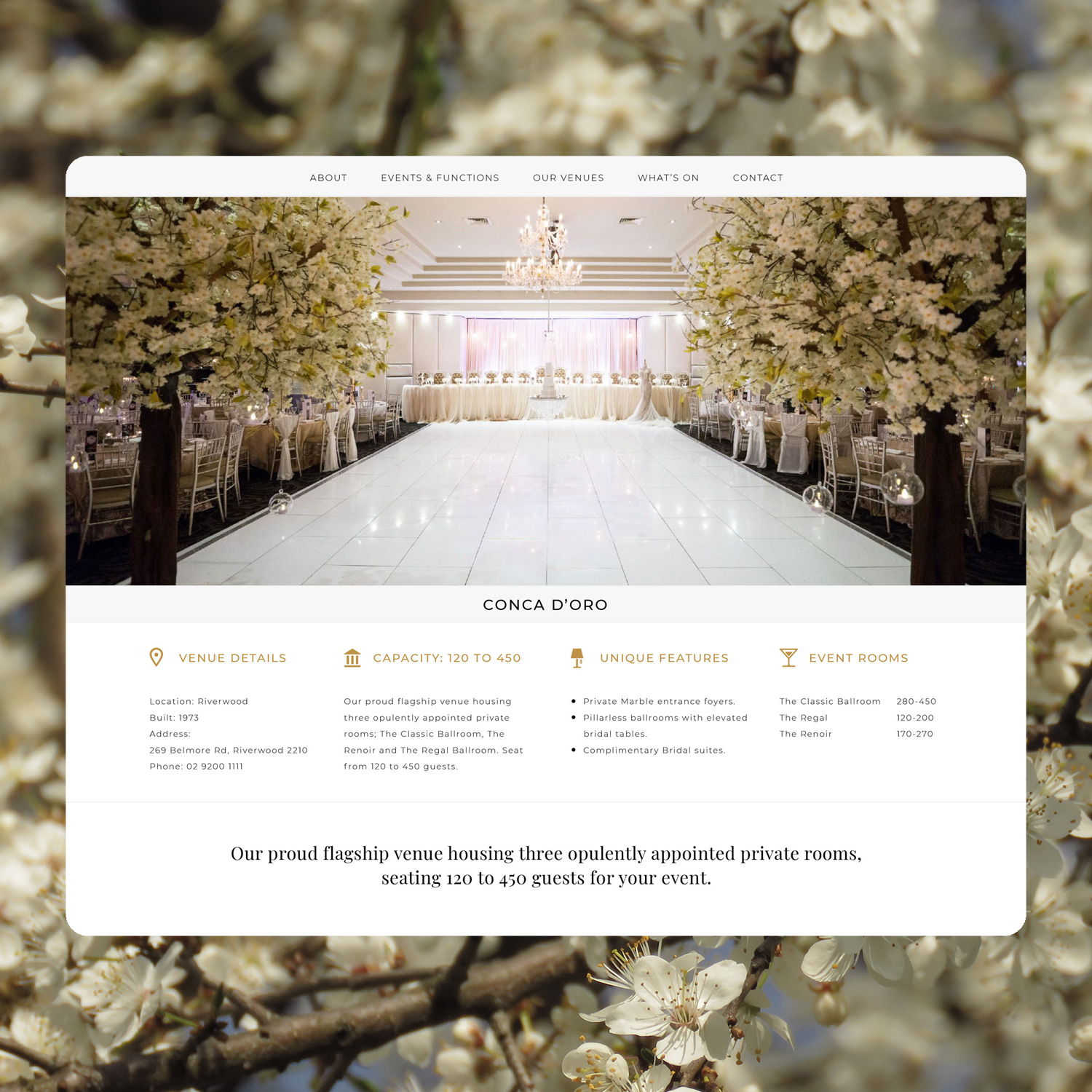
Tables, icons and considered page layouts made room features and choices easier to scan. Photography and design reflected the group’s presentation, while the content explained its wider event capabilities.
The rebuild addressed redirects, page addresses, metadata and content structure alongside the responsive design. An editable platform supported new images, venue information and future expansion. Connections with internal customer systems and dynamic content areas created a foundation for further marketing integration.
The group had a great deal to offer, but visitors needed a simple way into that information. We organised the website around the occasion and the location, so people could discover suitable spaces without getting lost in separate sites.
Simon Tokic
Co-Founder Mind Methods

