Turn an important purpose into a clear reason to understand, participate or support.

A worthwhile initiative still needs to be understood. People need to know who it serves, why it matters and what they can do next, whether that means accessing information, participating in a programme or supporting a cause.

We help government-facing, not-for-profit and community organisations connect strategy, messaging and creative execution. The approach starts with the intended public or supporter action and the information required to make it meaningful.

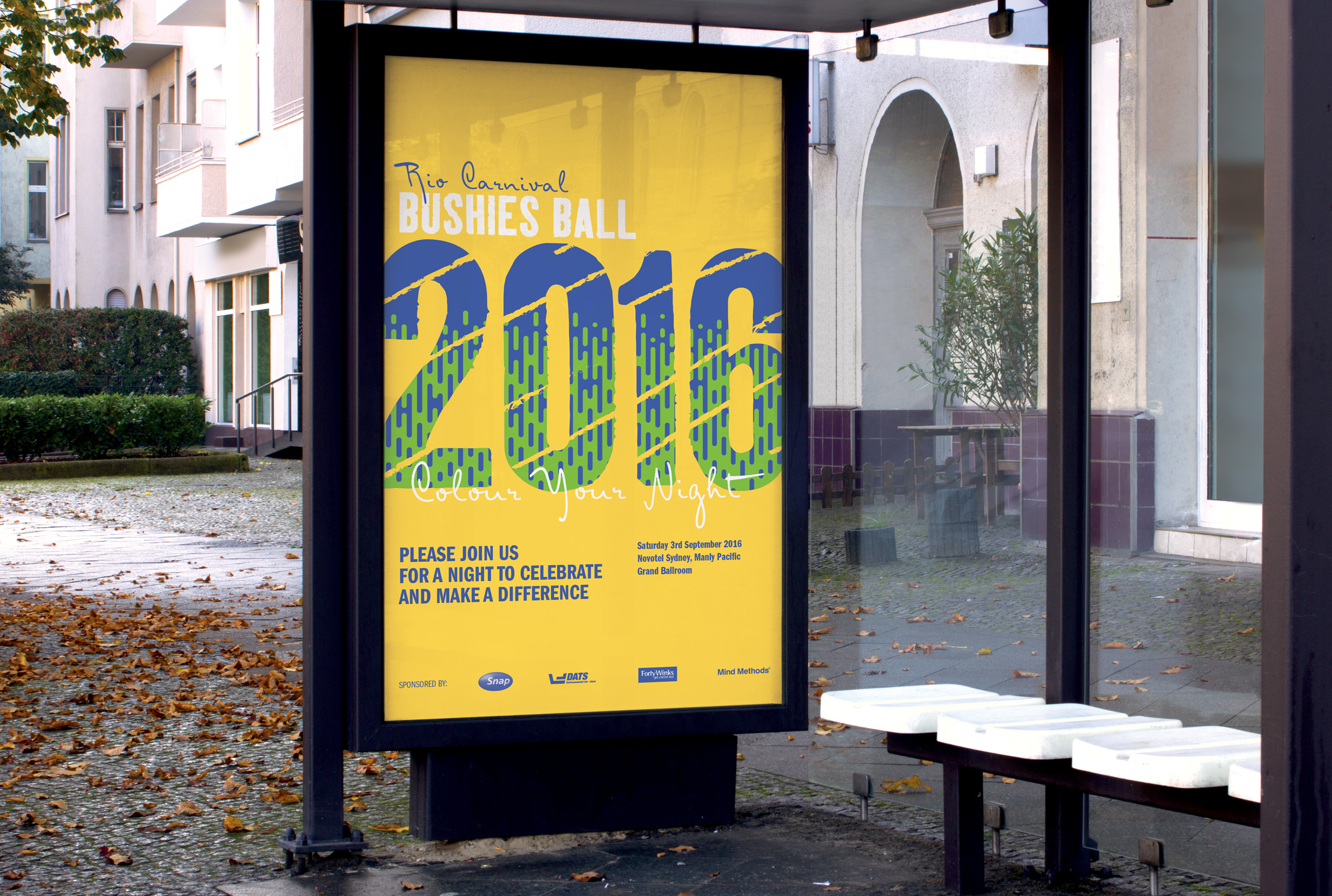
Our published community-facing work includes town-centre brand development and charity fundraising creative. We bring that experience alongside broader stakeholder communications capability, working within your governance, accessibility and approval requirements rather than making assumptions about authority or endorsement.

Explore communications strategy, integrated campaigns and user experience planning.

A strong public-interest message makes the purpose clear, respects the audience and connects participation with a practical next step.

Mind Methods | Our perspective
01

Transparent identity

Help supporters verify the organisation.

The ACNC encourages donors to check charity identity and public information. Our takeaway for charities: make your purpose, organisation details and official donation route easy to verify.

ACNC, informed giving

02

A clear account of the work

Connect purpose with evidence.

The ACNC Charity Register provides information about activities, programmes and finances. Our takeaway: use approved reporting to explain what the organisation does and how support contributes, without inventing an impact measure.

ACNC, Charity Register

03

User-centred public services

Start with the person’s task.

The Australian Government Digital Service Standard places user needs at the centre of service design. Our application to communications: organise information around what people need to understand or do, rather than the internal programme structure.

Digital Transformation Agency

04

Inclusive participation

Do not design for one kind of user.

The Digital Service Standard includes leaving no one behind. Our takeaway: consider access, language and digital-confidence needs when planning an information or participation journey, with proportionate testing rather than assumed accessibility.

DTA, inclusive services

Questions about public and not-for-profit communications

Yes. We clarify the purpose, audience and action first, then organise the approved information into a clear message and journey. Programme owners review the substance so simplification does not change eligibility, responsibilities or the meaning of the initiative.

We agree on source owners, decision-makers and review stages before production. The scope can accommodate brand, accessibility and other required reviews without treating marketing approval as a substitute for specialist sign-off.

Yes. These audiences may need different information and next steps. We establish a shared message foundation while developing content appropriate to each relationship, rather than sending everyone through the same appeal.

We use approved evidence and appropriate permissions. Financial claims, impact figures and personal stories retain their scope and context. We avoid pressure-based messaging and do not invent beneficiary experiences or outcomes.

Yes. A focused engagement can address a particular initiative, website journey or set of materials. We agree on the audience, deliverables, review responsibilities and realistic measures before considering a broader programme.

Measures are tied to the purpose, such as useful participation, information access or appropriately tracked support. We distinguish communications performance from programme impact and do not claim one caused the other without evidence.

Related work and insights.