Close the gap between the promise and the experience.

Customers form an impression through what happens, not just what a brand says. A confusing enquiry, a difficult handover or an avoidable delay can undermine a promise that looks strong in the campaign.

Mind Methods helps identify the moments that matter in the customer experience and the friction that gets in the way. We bring customer evidence, journey mapping and stakeholder perspectives together to understand where the experience supports the brand and where it needs attention.

The result is a practical set of priorities for communication, touchpoints and engagement. We distinguish quick improvements from issues that need operational or technology work, and agree the people responsible. The aim is a more coherent experience that the business can actually deliver, not a journey map that stops at the workshop.

“Good marketing is clarity plus courage. Clarity about the customer and what truly moves them. Courage to focus on the few activities that will make the biggest difference. Our job is to bring both, so your team knows exactly what to do next, and why.”

Simon Tokic, Co-Founder, Mind Methods
46%

cited poor or slow service as a switching reason

The experience can outweigh the message.

ServiceNow research found 46% of Australians cited poor or slow service as a reason to switch to a competitor.

Planning implication: Review service friction alongside brand communication, rather than assuming a stronger campaign will resolve dissatisfaction.

Survey September-October 2025; release 10 March 2026
Australian findings within an 18-country commissioned study. Australian quantitative base not supplied; stated reasons, not an observed churn rate.

38%

cited difficult human handover as a disappointment

The next step should not become a dead end.

ServiceNow reported difficult handover to a human as a main disappointment for 38% in its Australian AI-service findings.

Planning implication: Map escalation and handovers as part of the experience, not an afterthought to a digital interface.

Survey September-October 2025; release 10 March 2026
Platform-commissioned customer-service research. Not evidence of a particular chatbot failure or a guaranteed improvement.

69%

wanted a choice of delivery options

Convenience depends on the customer context.

Australia Post reported 69% wanted delivery options to choose from.

Planning implication: Identify where appropriate choice helps customers complete a task, rather than assuming one process suits everyone.

November 2025 Omnibus Survey; 2026 report
Australian shopping preference, not a universal expectation across all service categories.

21.4%

of Australians had disability

Include different needs in the journey.

The ABS reported disability prevalence of 21.4% in its 2022 survey.

Planning implication: Consider accessibility and service alternatives when reviewing important touchpoints; agree appropriate specialist evaluation.

2022 survey; published 4 July 2024
Population prevalence, not one uniform access need or the percentage with a particular impairment.

Start with the problem, not a package.

01
The brand promise is strong, but feedback tells a different story.
Find the moments where delivery breaks the promise.

Review relevant customer feedback and the journey behind it. Separate communication issues from operational problems and assign practical next steps to the right owners.

02
Customers repeat the same information across teams.
Make the handover part of the experience.

Map the movement between channels and people, identify unnecessary repetition and agree what information should travel safely with the enquiry. Technology changes are scoped rather than assumed.

03
Engagement activity feels disconnected from customer needs.
Start with the reason for the interaction.

Clarify the audience, stage and useful next step before adding more messages or programs. Develop a focused plan that reflects the relationship rather than simply increasing contact frequency.

04
A journey workshop produced ideas but no action.
Turn the map into an achievable improvement plan.

Prioritise issues by customer importance, business consequence and delivery effort. Record an owner, dependency and sensible measure for each agreed improvement.

Questions worth asking.

We agree the audiences, journeys and touchpoints in scope, then review relevant evidence and stakeholder perspectives. The work can identify friction, communication gaps and engagement opportunities. It is not automatically a full operational audit of the business.

UX strategy usually focuses on a product or digital interaction. Customer experience considers the wider relationship across people, processes, channels and touchpoints. The two can connect, but a website improvement alone may not resolve a service or handover issue.

Customer interviews, surveys or testing can be included when appropriate and authorised. We first assess existing evidence and research gaps. Recruitment, consent, confidentiality and how findings will be used should be agreed before involving participants.

Implementation depends on the nature of the issue. Mind Methods can scope relevant marketing, content, design and digital work, while operational, HR or specialist technology changes need their own owners. The plan distinguishes these responsibilities instead of promising one team can fix everything.

Measures depend on the journey and objective. We may use task completion, feedback, response handling or agreed commercial indicators where reliable data exists. A single score should not replace understanding the problem, and observed changes should not be described as causal proof without suitable evidence.

Yes. A defined journey such as first enquiry, onboarding or an online purchase can make the work more focused. We agree the boundary, evidence and decision-makers, then use the findings to decide whether broader work is justified.

Related campaign thinking

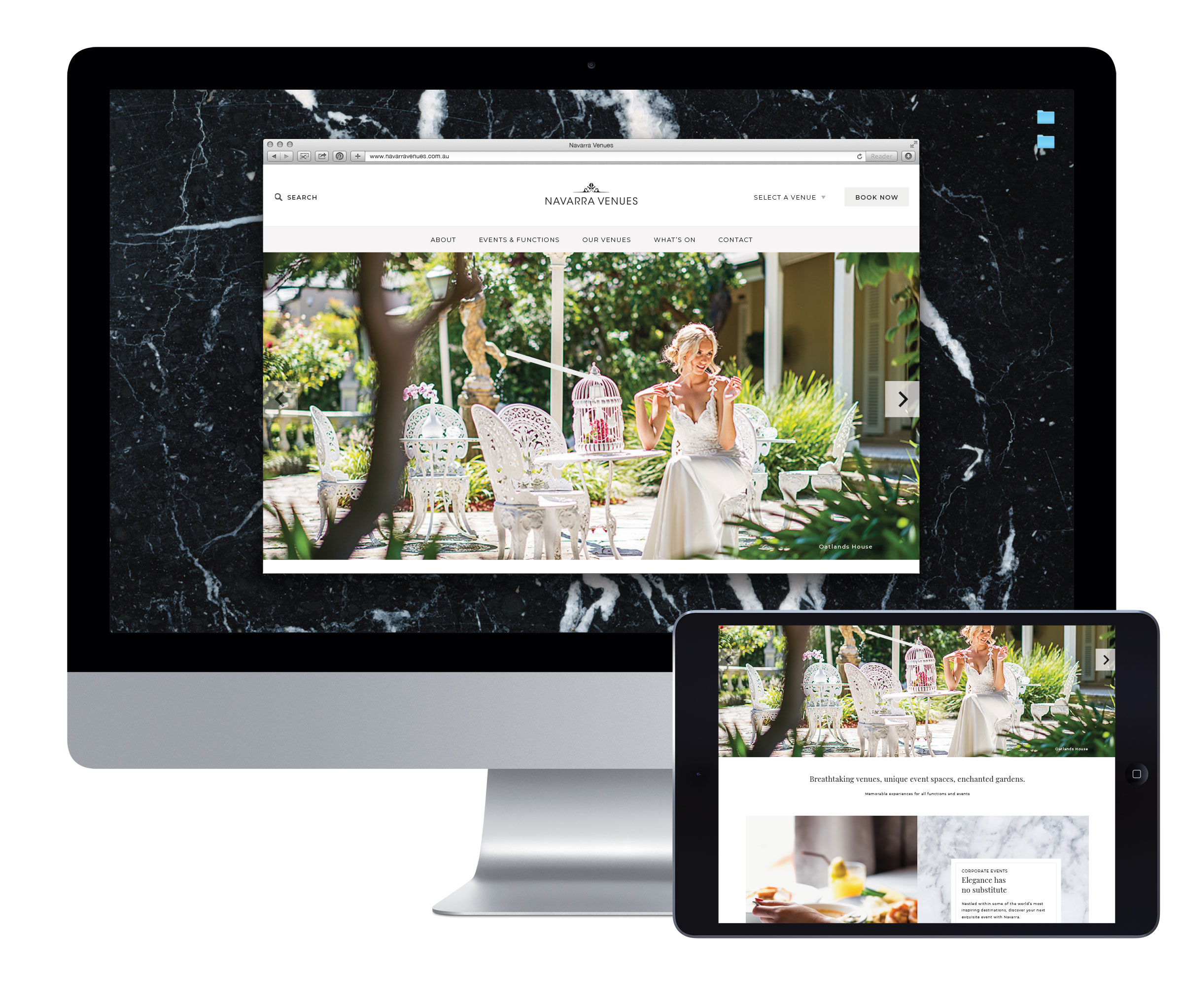
  • Navarra Venues website displayed on a desktop monitor and tablet, featuring its event spaces and hospitality photography.
    Hospitality industry website design
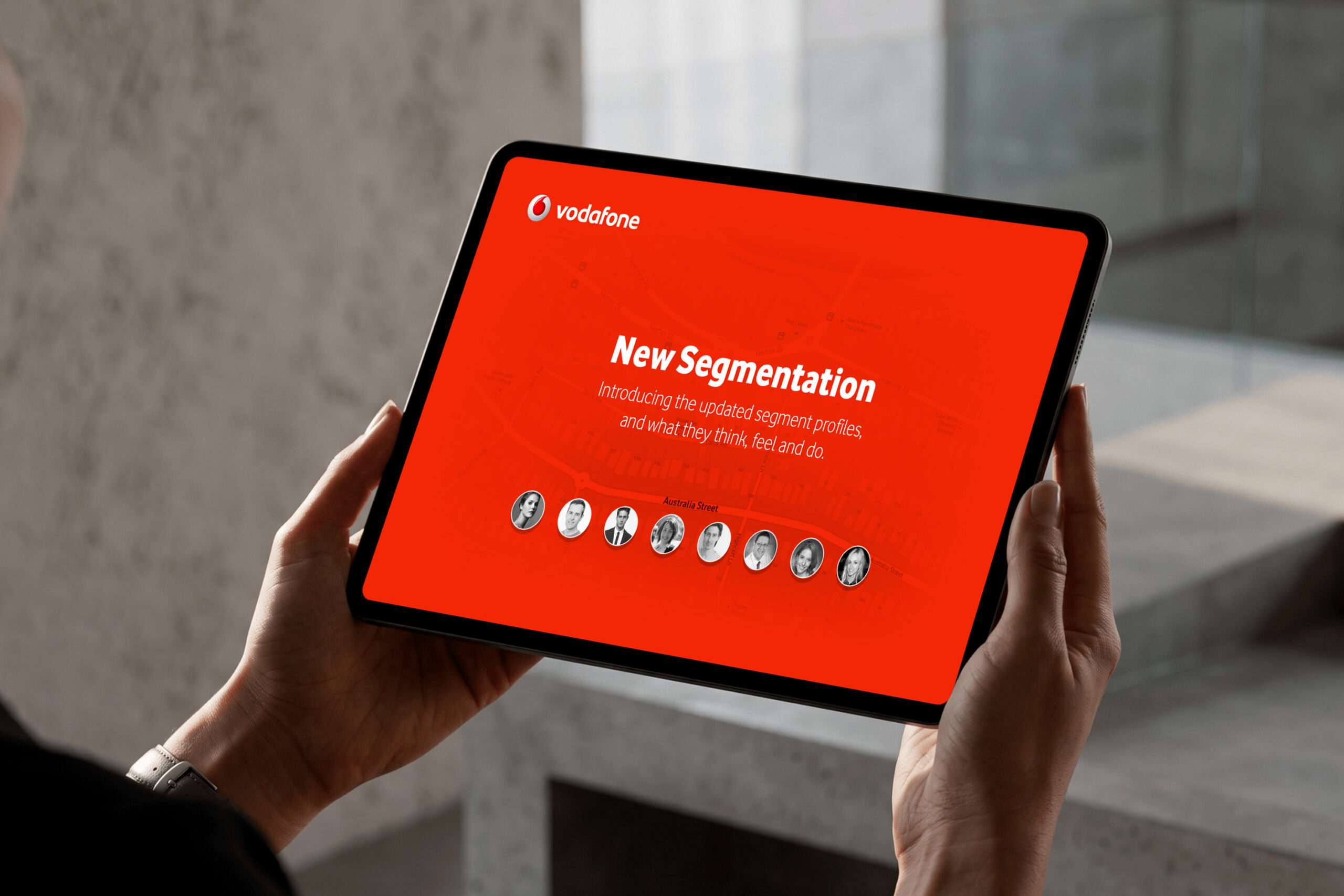
  • Vodafone customer segmentation presentation displayed on a tablet
    Australia Street digital solution for Vodafone
  • Historical Sprout Social consumer-research artwork from the original Mind Methods article
    Social media insights: what consumers expect from brands