Start with the buyer’s decision
Early in my career, I made a point of grounding each campaign in fundamental marketing principles. That foundation gave me something to adapt, test and challenge as the circumstances changed, rather than starting with a tactic and hoping it would fit.
One useful example is the buyer decision-making journey in business-to-business marketing, or B2B. It asks how an organisation recognises a need, researches solutions, compares providers, makes a purchase and evaluates the result.
Understanding those questions helps you provide the right information at the right point. A business first exploring a problem may need an explanation or a useful guide. A team choosing between shortlisted suppliers needs evidence, clear scope and answers to practical concerns.
The customer buying journey
The five stages below are a planning framework, not a rigid timetable. People can revisit questions, and different stakeholders may be working through different concerns at the same time.
For example, the person who will use a service may want to understand how it works, while the budget owner needs the commercial case and the implementation team needs to understand disruption. Give the person championing your offer information they can use in those internal conversations.
1. Need recognition
A business first needs to recognise a problem or an opportunity. Sometimes the issue is obvious; in other cases, its significance is not yet clear. Your communication can help people understand what is happening, why it matters and whether it deserves attention.
Explain the problem in terms your audience recognises. Show where your offer is relevant without overstating the consequences of doing nothing or presenting every concern as an emergency.
Events, blog articles, relevant emails and social media posts can introduce these ideas. The purpose at this stage is to make a need understandable, not to force a detailed sales presentation on someone who is still deciding whether the issue matters.
2. Information search
Once the need is recognised, the business starts looking for information. Make it easy to understand the available approaches, the questions to ask and the factors that influence a suitable choice.
Useful materials may include white papers, guides, templates, service explanations and answers to common questions. Provide enough substance for the reader to learn something before asking for a meeting.
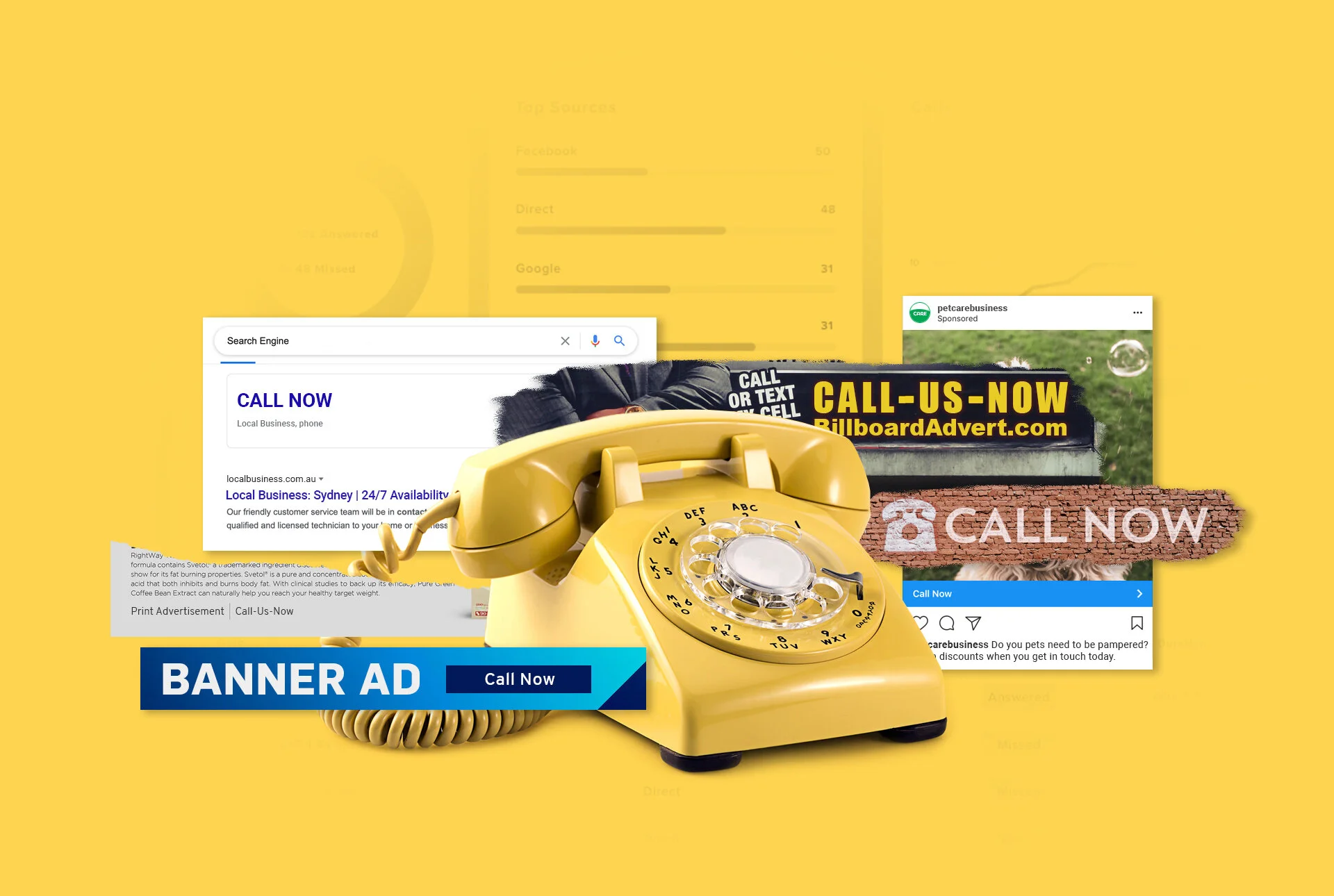
Consider how the audience will find that material. Search engine optimisation, paid advertising, social media, referrals and direct sales activity have different roles. Choose a mix that suits the audience, resources and objective, with a clear connection between the first message and the information the buyer needs next.
3. Evaluation of alternatives
As a business compares its options, it needs to understand how they differ. Explain the features, benefits, limitations and value of your offer clearly enough for the reader to assess its suitability.
Brochures, fact sheets, case studies, testimonials, team profiles and credentials can provide useful evidence. Select examples relevant to the buyer’s circumstances and make sure any claims can be supported.
Comparative information should help someone make an informed decision. Avoid dismissing every alternative or suggesting that one approach is right for every organisation.
4. Purchase decision
When a prospect has a clear requirement and is considering your offer, consolidate the reasons it fits. Connect your proposed approach with the problem to be solved or the opportunity to be pursued.
Tailored sales presentations, pitches and relevant project examples can help. So can a clear explanation of deliverables, responsibilities, costs, assumptions and next steps. Reduce uncertainty rather than simply repeating the campaign message.
Use the most relevant case studies, testimonials and team information, rather than sending a large credentials document without explaining why it matters to this particular buyer.
5. Purchase evaluation
The relationship does not end when the contract is signed. The customer needs to understand what happens next and whether the product or service is delivering what was agreed.
Surveys, post-implementation reviews, regular review meetings and useful support communications can reveal what is working and where the experience needs to improve. Listen to the customer’s continued needs before proposing upgrades or additional services.
Use that feedback to improve the relationship, not just to look for the next sale. A clear handover, a useful review and an honest response to a problem can be as important as the communication that won the work.
Turn the journey into a communications plan
Review your existing material against these stages. Where can a buyer find an explanation of the problem? What evidence helps them compare options? What makes the purchase process clear, and what support follows it?
Identify the most important gaps, assign responsibility and prioritise the material that would help the audience most. The aim is not to produce an asset for every possible situation. It is to make the buying experience clearer and connect marketing activity with the conversations your sales team is having.
Use feedback from prospects and customers to refine the plan. A journey framework is valuable when it helps you ask better questions and improve the experience, not when it becomes a diagram that nobody uses.
Practical B2B marketing support
Mind Methods helps organisations plan how they communicate with and sell to other businesses, taking account of their existing resources and constraints. Contact the team to discuss your B2B marketing approach.
About the author
Article by Simon Tokic.