

FLEX-SAFE
Product information designed for the job site, not just the office.
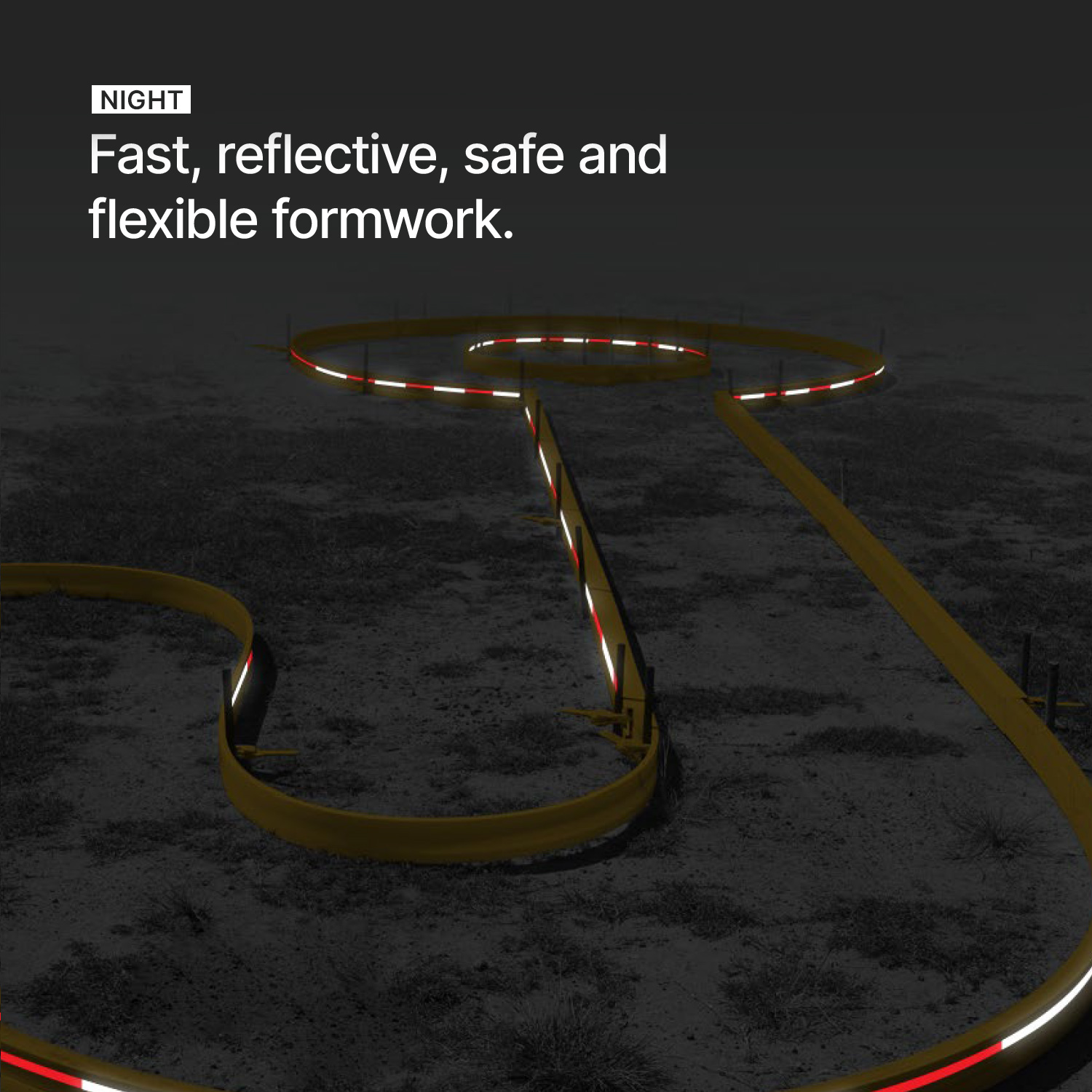
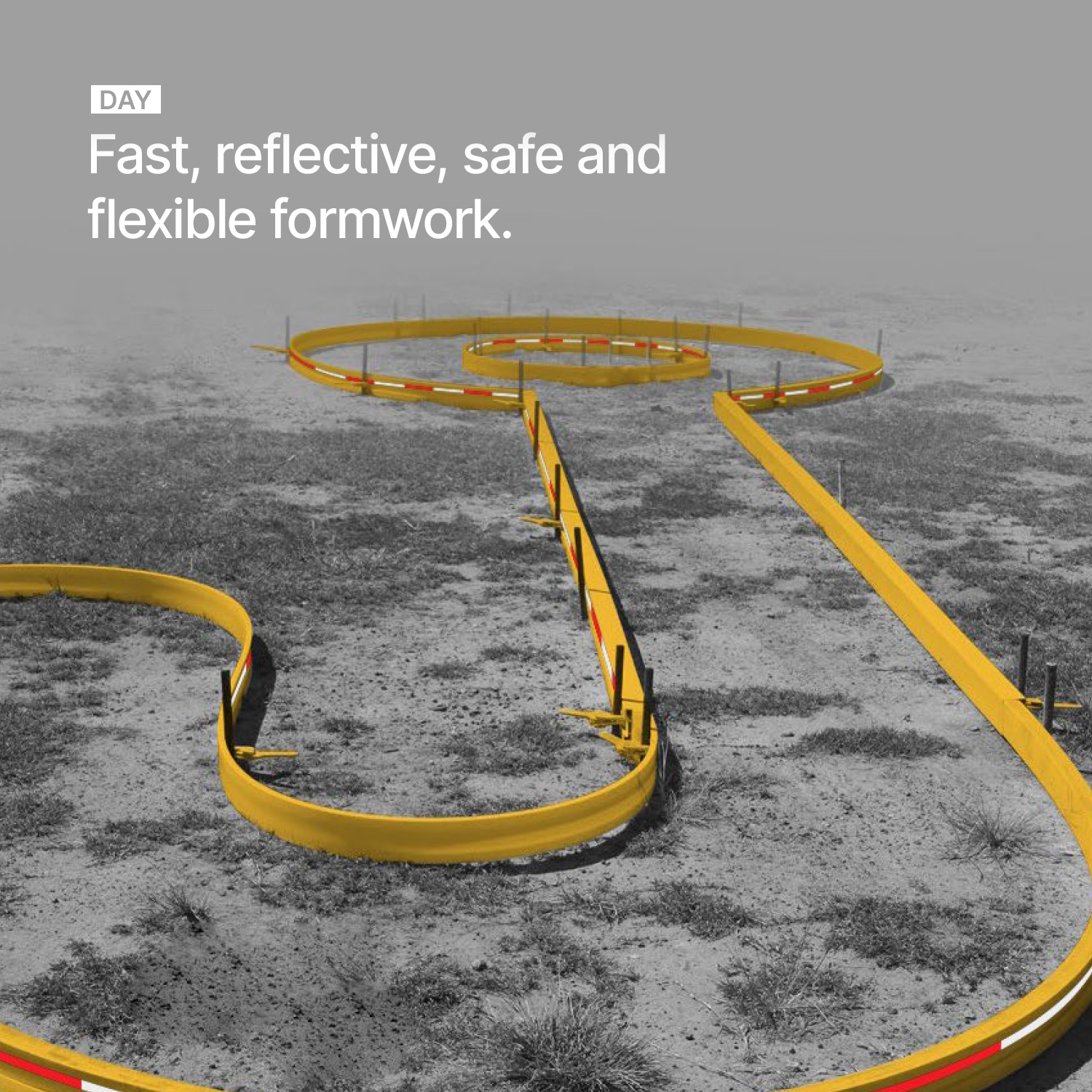
FLEX-SAFE offers a modular alternative to traditional timber concrete formwork, with boards and cam-lock components for different layouts. The new product range needed a clear identity and a website that explained how its individual items fitted together.
Mind Methods developed the brand and a mobile-first website that also served as a product catalogue. Customers could find item details and stock numbers while working on site or travelling between jobs.
TYPE:
B2B
INDUSTRIES:
Manufacturing, Wholesale & Industrial; Property, Architecture & Construction
SERVICES:
Brand Division; Brand Identity & Logo Design; Creative Lab; Graphic Design & Marketing Collateral; Marketing Studio; Product Brand Strategy; User Experience (UX) Strategy; Website Design; Website Development
Needs & Brief
Introduce the FLEX-SAFE brand and present its full product range online. The website needed to work as both a brand showcase and a practical reference for people assessing what they needed for a construction job.
Challenges & Context
The system was made up of individual components, so an attractive product overview was not enough. Customers needed to identify the right items and use their stock numbers when ordering.
Many of those decisions would be made away from a desk, making clear mobile navigation an important requirement.
Strategic & Creative Approach
We developed the identity, logo applications and supporting collateral for the product range. This established a consistent presentation across printed and digital material.
The website organised the modular system into an accessible catalogue, with individual product details and stock information. Design and navigation were developed around mobile use, allowing customers to look up items on a phone.
Website development and landing-page work connected that practical information with the wider introduction of the brand. The result gave the business a marketing platform that also supported the day-to-day task of choosing and ordering components.
The website needed to be useful where the product was actually used. We made the range and stock details easy to find on a phone, so the brand presentation also supported a practical job-site task.
Nathan Lee
Mind Methods

