Club Plus Super
Reconnecting with members through a more relevant mix of print and digital communication.
Case Study
Campaign Creative & Art DirectionCommunications Strategy & Integrated MarketingCopywriting & Content CreationCreative LabCustomer Segmentation & Journey MappingDigital Analytics, CRO & ReportingEmail Marketing & AutomationIntegrated Campaigns & Marketing CommunicationsMarket Research & InsightsMarketing AdvisoryMarketing Studio
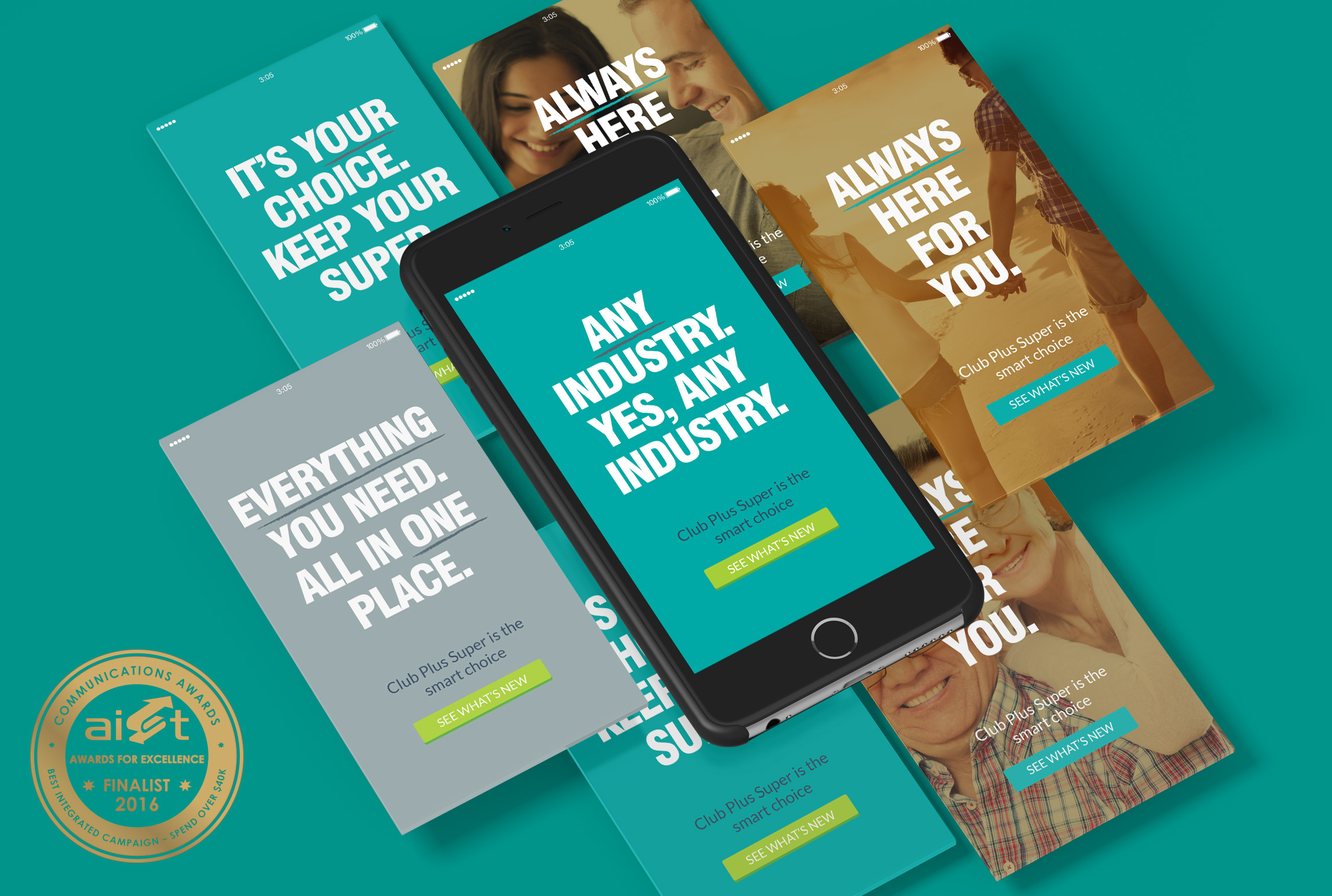
Club Plus Superannuation wanted to reconnect with a less engaged group of members who were at risk of leaving the fund. The challenge was to understand that audience before asking it to pay attention.
Mind Methods helped develop a longer-term engagement approach and its first integrated campaign. Research, direct mail, email, landing pages and call-centre communications worked together. The published results include a 49.7% email open rate and a 0.4% unsubscribe rate.
TYPE:
B2C
INDUSTRIES:
Financial Services & Superannuation
SERVICES:
Campaign Creative & Art Direction; Communications Strategy & Integrated Marketing; Copywriting & Content Creation; Creative Lab; Customer Segmentation & Journey Mapping; Digital Analytics, CRO & Reporting; Email Marketing & Automation; Integrated Campaigns & Marketing Communications; Market Research & Insights; Marketing Advisory; Marketing Studio
Needs & Brief
Develop communications that would be more relevant to a difficult-to-engage member group. The campaign needed to support a wider member program, with lessons that could inform future activity rather than end with a single mailing.
Challenges & Context
This was an audience that had already shown limited engagement. Sending more of the same material was unlikely to address the underlying problem.
Existing research and targeted focus groups were used to understand the members and shape different communication approaches for the groups within that audience.
Strategic & Creative Approach
We reviewed the available research and contributed to focus-group work, then developed audience groups and communication plans around the findings.
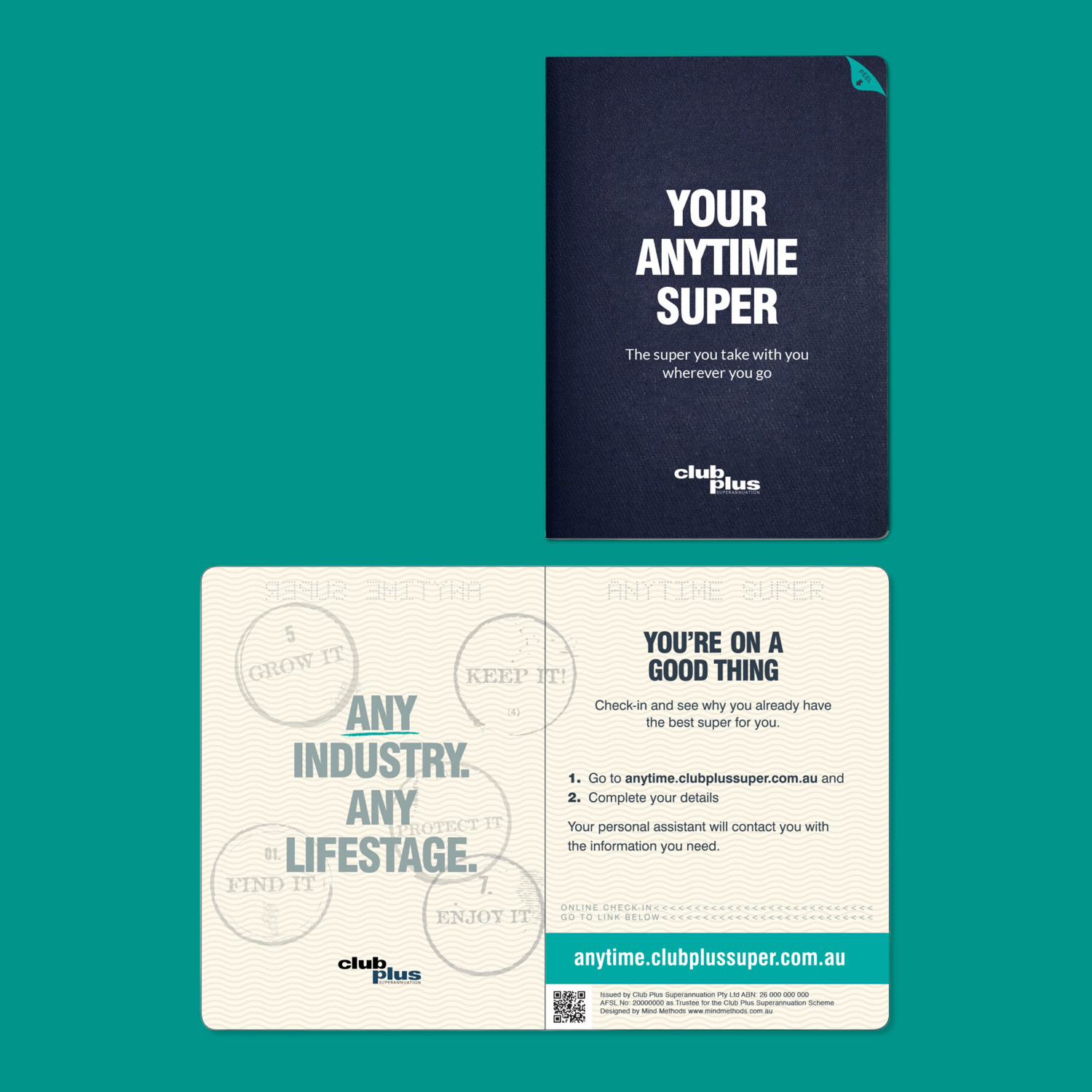
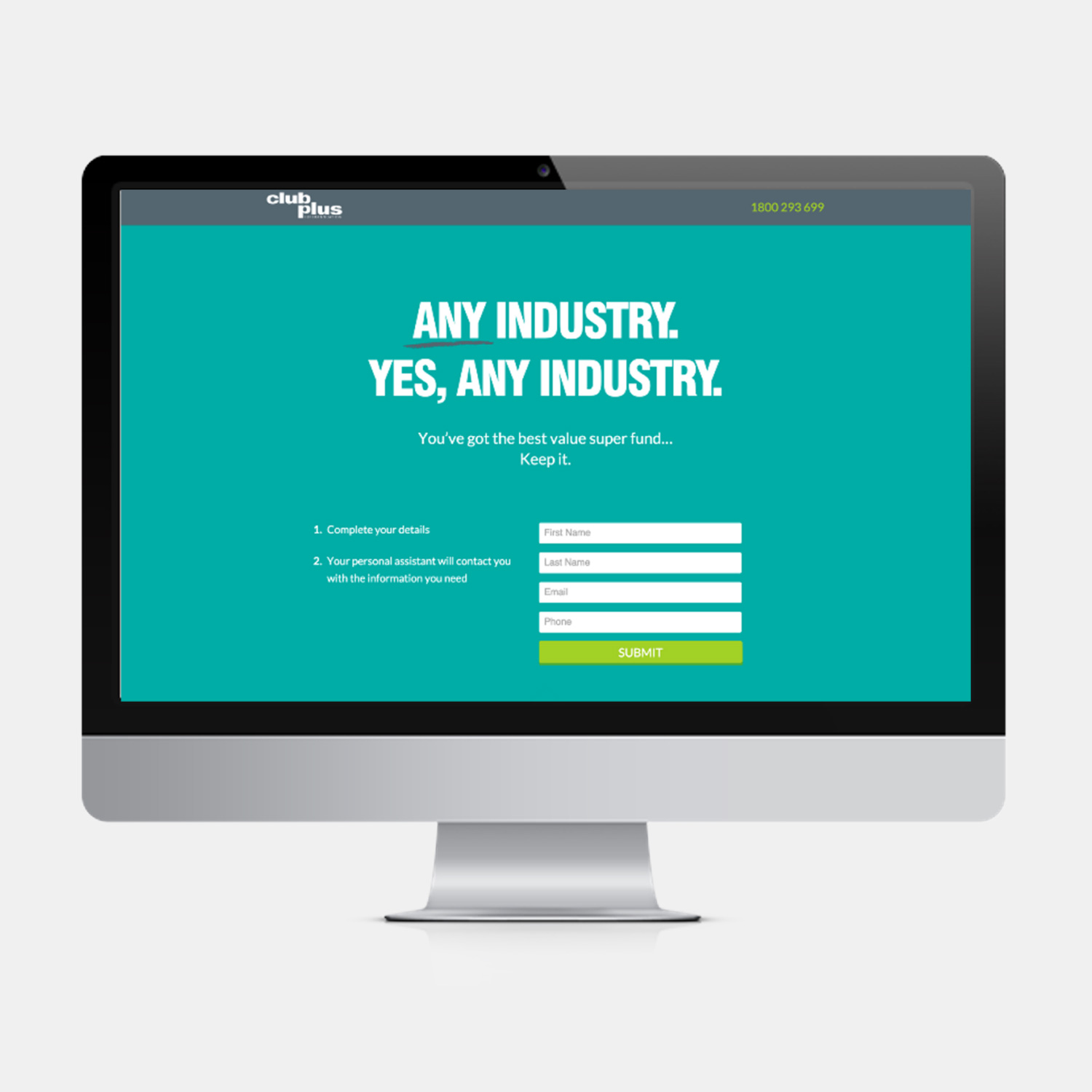
The first campaign combined a passport-style direct-mail piece with tailored emails, landing pages, website content, social creative and online advertising. Call-centre strategy and scripts helped connect the campaign with direct member conversations.
The published review recorded a 0.4% unsubscribe rate, 49.7% email opens and 25% engagement associated with the direct-mail piece and landing-page visits. A detailed report and presentations shared the results and recommendations with senior management and the board, creating a basis for the next stage of member communications.
Re-engagement starts with understanding why people are not responding. The research helped us make the communication more relevant, and the campaign results gave the team a stronger basis for what to do next.
Simon Tokic
Co-Founder Mind Methods