Know who matters. Understand what moves them.

A broad audience can make a campaign look ambitious while leaving the message vague. Knowing an age range or job title is a start. Knowing the problem someone is trying to solve, what triggers their search and how they judge an offer is far more useful.

Mind Methods develops target audience analysis around the growth decision in front of you. We examine existing customers, prospective groups, buying roles, motivations and barriers to identify where your offer has a credible fit. Customer evidence, relevant research and available behaviour help distinguish a promising audience from one that is simply easy to reach.

The result is a prioritised audience view your team can use: who to focus on, why they matter, what they need to hear and where to test your approach. We keep assumptions visible and avoid turning profiles into stereotypes. You gain a clearer basis for messaging, content and media decisions, without mistaking audience size for commercial opportunity.

“Good marketing is clarity plus courage. Clarity about the customer and what truly moves them. Courage to focus on the few activities that will make the biggest difference. Our job is to bring both, so your team knows exactly what to do next, and why.”

Simon Tokic, Co-Founder, Mind Methods
59%

of online shoppers aged 18-39 valued social discovery

Channel choices should reflect the audience.

In IAB and Pureprofile's 2025 commerce research, 59% of shoppers aged 18-39 said social media was important to finding products to buy.

Planning implication: Test where a priority audience seeks information rather than applying one channel mix to everyone.

Commerce Report 2025; released 16 July 2025
Report includes 1,000 Australian and 850 New Zealand online shoppers aged 18-70. This finding concerns the 18-39 subgroup, not all shoppers.

73%

of surveyed B2B buyers avoided irrelevant outreach

Relevance starts before the message is written.

Gartner found 73% of B2B buyers actively avoided suppliers sending irrelevant outreach.

Planning implication: Define the business situation, buying role and useful reason to engage before selecting a prospect or campaign audience.

Survey August-September 2024; released 25 June 2025
632 B2B buyers. Public release does not specify country splits. Self-reported experience, not a measured conversion effect.

64%

preferred companies that tailored experiences to their needs

Useful audience knowledge goes beyond demographics.

Qualtrics found 64% of consumers preferred buying from companies that adapted the experience to their particular needs.

Planning implication: Research motivations and barriers without assuming personalisation requires more intrusive data collection.

2025 report; published 15 October 2024
Nearly 24,000 consumers across 23 countries. Global findings, not Australia-only; fieldwork dates are not supplied in this release.

81%

of shoppers looked around for online deals

Understand how your audience judges value.

Australia Post's 2026 report identifies 81% of shoppers as looking around for online deals.

Planning implication: Explore what value means for the audience, including price, convenience and reassurance, rather than defaulting to a discount.

Australia Post eCommerce Report 2026; Know your shoppers
Australian online-shopping context. The public page does not provide this item's respondent base. Not a B2B or price-elasticity measure.

Start with the problem, not a package.

01
We can describe our offer. Not our best-fit customer.
Start with the problem your offer solves best.

We connect the needs you address with the customers most likely to value them. Existing customer evidence, buying situations and commercial fit help identify a priority audience you can explain and act on.

02
Our campaign reaches people. Too few are the right fit.
Separate reach from relevance.

We examine who responds, who progresses and where the mismatch begins. Available enquiry and sales evidence can reveal a targeting, offer or message problem. Recommendations distinguish what is observed from what still needs a controlled test.

03
We are targeting a company, but several people influence the purchase.
Understand the buying roles behind the account.

We identify the users, influencers, decision makers and potential blockers relevant to the purchase. The output clarifies the questions and proof each role may need, without assuming a job title alone reveals authority or intent.

04
A new audience looks promising. We do not want to guess.
Assess fit before committing a larger budget.

We compare the audience’s needs, alternatives, ability to buy and accessibility with your offer and delivery capacity. A focused test plan helps resolve the most important assumptions before you invest in a broad launch.

05
Our audience profiles are old or based on internal opinion.
Refresh the evidence, not just the presentation.

We review what has changed in customer behaviour, priorities and routes to information. Profiles are updated where the evidence supports it, with explicit confidence levels and practical implications for the next brief.

Questions worth asking.

Audience analysis helps decide who an offer or campaign should prioritise and what matters to those people. Segmentation organises a customer base or market into useful groups. Journey mapping then examines their experience over time. The work can connect, but a focused audience brief does not always require a full segmentation and journey project.

We start with your offer, objectives, existing audience assumptions and what you know about current customers. Relevant enquiry, sales, service and campaign evidence can help. We agree a proportionate information scope and access approach; you do not need to send an unrestricted customer database to begin.

Yes. Consumer analysis may focus on needs, buying situations and behaviour, while B2B work can also consider organisation fit, purchase triggers and the roles involved in a decision. We select the factors that affect the purchase instead of imposing the same profile template on every market.

It should make those choices clearer. A practical audience brief can identify motivations, objections, information needs, trusted sources and channel hypotheses. Creative production, media buying and platform configuration are separately scoped, and the recommendations should be tested rather than treated as guaranteed response predictions.

Yes, using available market evidence and a clearly defined question. Where direct evidence is limited, we identify the assumptions and propose proportionate research or a small test. Specialist recruitment, interviews, surveys or purchased research require agreed scope and budget; we do not invent customer responses.

Not as an automatic part of this analysis. Research and audience planning are separate from collecting named contacts, outreach or platform activation. Any subsequent data use needs its own scope, permissions and platform checks, including relevant privacy and consent requirements.

We consider the strength of the need, fit with your offer, commercial potential, accessibility, competitive alternatives and your ability to serve the group. We also show how strong the evidence is. A large audience or low advertising cost alone is not proof of an attractive customer opportunity.

Related campaign thinking

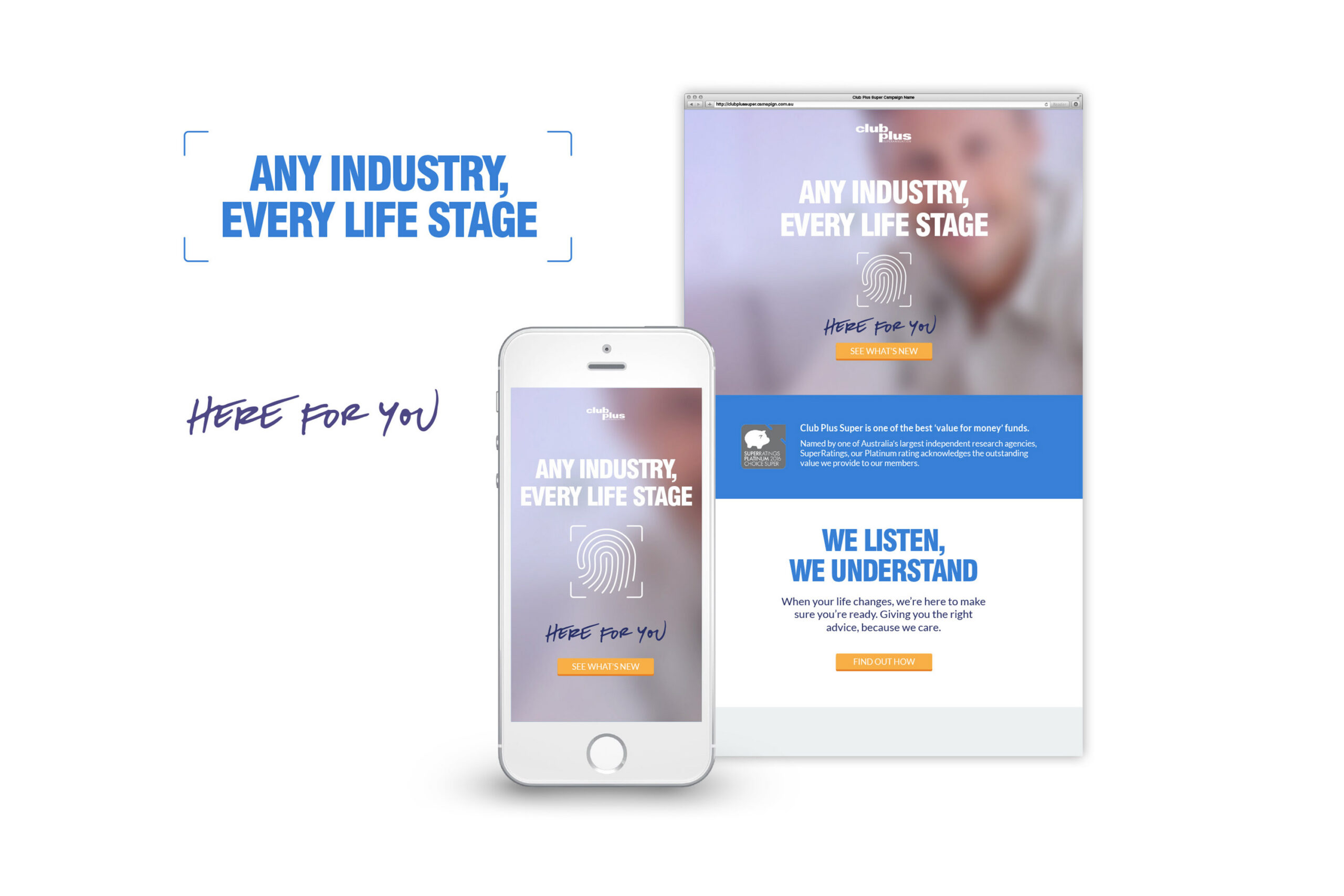
  • Club Plus Super campaign website on desktop and mobile with the message Any industry, every life stage
    Industry super insurance awareness campaign
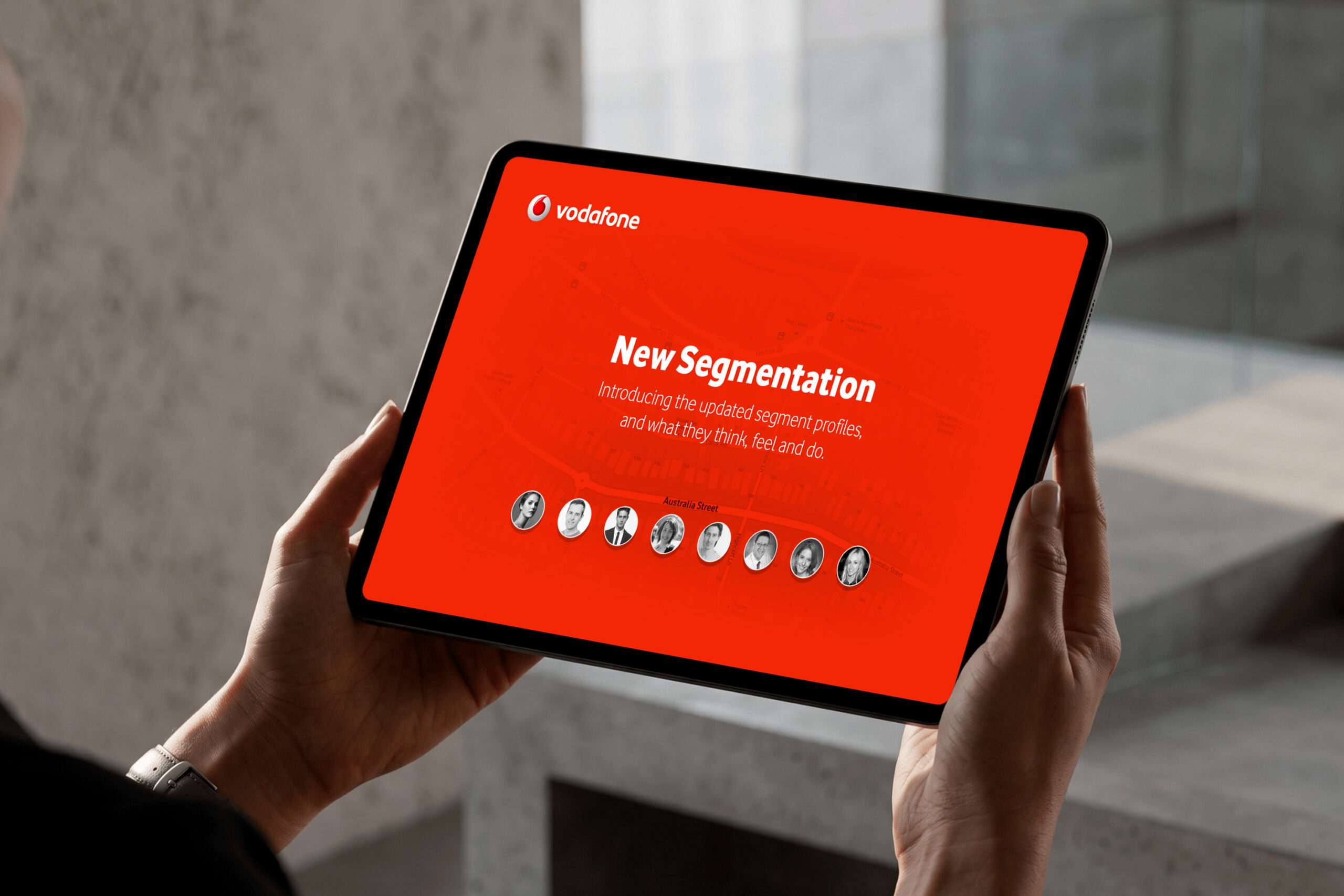
  • Vodafone customer segmentation presentation displayed on a tablet
    Australia Street digital solution for Vodafone
  • Mind Methods article banner about using digital marketing insights for market research
    The power of digital marketing in market research: beyond leads and brand awareness