Make each page answer the search behind the visit.

A useful page does more than mention the right phrase. It helps the visitor understand whether they are in the right place, answers the questions that matter and makes the next step easy to find.

Mind Methods approaches on-page SEO as an alignment task: search intent, page purpose, content and navigation should work together. We review headings, metadata, body copy, images and internal links to identify where a good offer is being obscured or competing pages are doing the same job.

The work can be a focused improvement to priority pages or part of a wider content programme. We preserve your brand voice and approved design while making the information more useful. Recommendations explain what should change and why, rather than adding keywords mechanically or expanding every page to an arbitrary length.

Explore how this fits within our search engine optimisation services.

“Good marketing is clarity plus courage. Clarity about the customer and what truly moves them. Courage to focus on the few activities that will make the biggest difference. Our job is to bring both, so your team knows exactly what to do next, and why.”

Simon Tokic, Co-Founder, Mind Methods
53.1%

of tested homepages lacked some image text

Images need meaningful context.

53.1% of tested homepages contained images missing alternative text.

Planning implication: check whether informative images are described usefully, without stuffing keywords into alternative text or describing decorative assets unnecessarily.

February 2026
Automated checks of one million popular homepages worldwide. Accessibility findings, not a search-ranking measure or a complete accessibility audit.

41.8%

of tested homepages skipped heading levels

Structure should help people navigate.

Skipped heading levels appeared on 41.8% of the tested homepages.

Planning implication: use headings to organise the argument and questions logically, while keeping the approved visual presentation intact.

February 2026
Automated checks of one million popular homepages worldwide. Accessibility findings, not a search-ranking measure or a complete accessibility audit.

69%

research online for buying confidence

Answer the question that holds up the decision.

Online research helps 69% of Australian online shoppers feel confident before purchasing.

Planning implication: make scope, suitability, evidence and next steps easy to understand on your commercially important pages.

Commerce & Discovery Report 2026; published 6 July 2026
Australian online shoppers aged 18-70; Australian sample 1,079. Self-reported consumer behaviour, not a universal B2B or SEO-performance benchmark.

92%

use search engines or retail sites

Be clear enough to compare.

92% use search engines or online retail stores to discover, research or compare products and brands.

Planning implication: connect each page to a distinct customer need and make relevant next pages easy to discover.

Commerce & Discovery Report 2026; published 6 July 2026
Australian online shoppers aged 18-70; Australian sample 1,079. Self-reported consumer behaviour, not a universal B2B or SEO-performance benchmark. Combined measure, not search engines alone.

Give the page a clearer job.

01
The page attracts visitors but leaves basic questions unanswered.
Close the gap between the promise and the explanation.

Review the search intent, opening message, service detail and next action. Identify missing information that would help a suitable prospect assess the offer without turning the page into a long brochure.

02
Several pages appear to be competing for the same topic.
Give each page a distinct purpose.

Compare the intended audience, search need and content across the overlapping pages. Recommend clearer ownership, consolidation or differentiation with URL decisions treated separately and deliberately.

03
The copy sounds optimised for a tool rather than a person.
Bring clarity back to the language.

Refine headings and copy around useful answers and natural terminology. Preserve the evidence and brand voice while removing repetition that makes the page harder to read.

04
Useful content is buried behind vague navigation.
Make the next useful destination obvious.

Review contextual links, link wording and the relationship between priority pages. Connect relevant detail without scattering generic links through every paragraph.

Questions about On-Page SEO

We can assess the page purpose, search intent, title and description, heading structure, copy, image context and internal links. The scope identifies which pages matter most and whether the engagement includes rewriting or recommendations for your team.

Not automatically. Some pages need focused changes; others need a stronger proposition or more substantial restructuring. We explain the level of work required and preserve useful existing material rather than replacing it for the sake of freshness.

We do not work to a universal quota. A page should cover its purpose clearly and use the language customers recognise. Search themes guide the work, but repetition and extra length are not substitutes for relevance.

Yes. Content can be improved within the approved layout and global design settings. Where a genuine structural limitation exists, we identify it for review rather than introducing unapproved visual changes during copy editing.

We map their intended search needs and business roles before recommending changes. Some should be differentiated; others may need consolidation. Any deletion, redirect or URL change is a separate reviewed action, not an automatic consequence of the audit.

We set a baseline and review the relevant search and conversion measures after implementation. Changes in demand and other website activity can affect the result, so we explain what the evidence supports rather than attributing every movement to a wording change.

Related campaign thinking

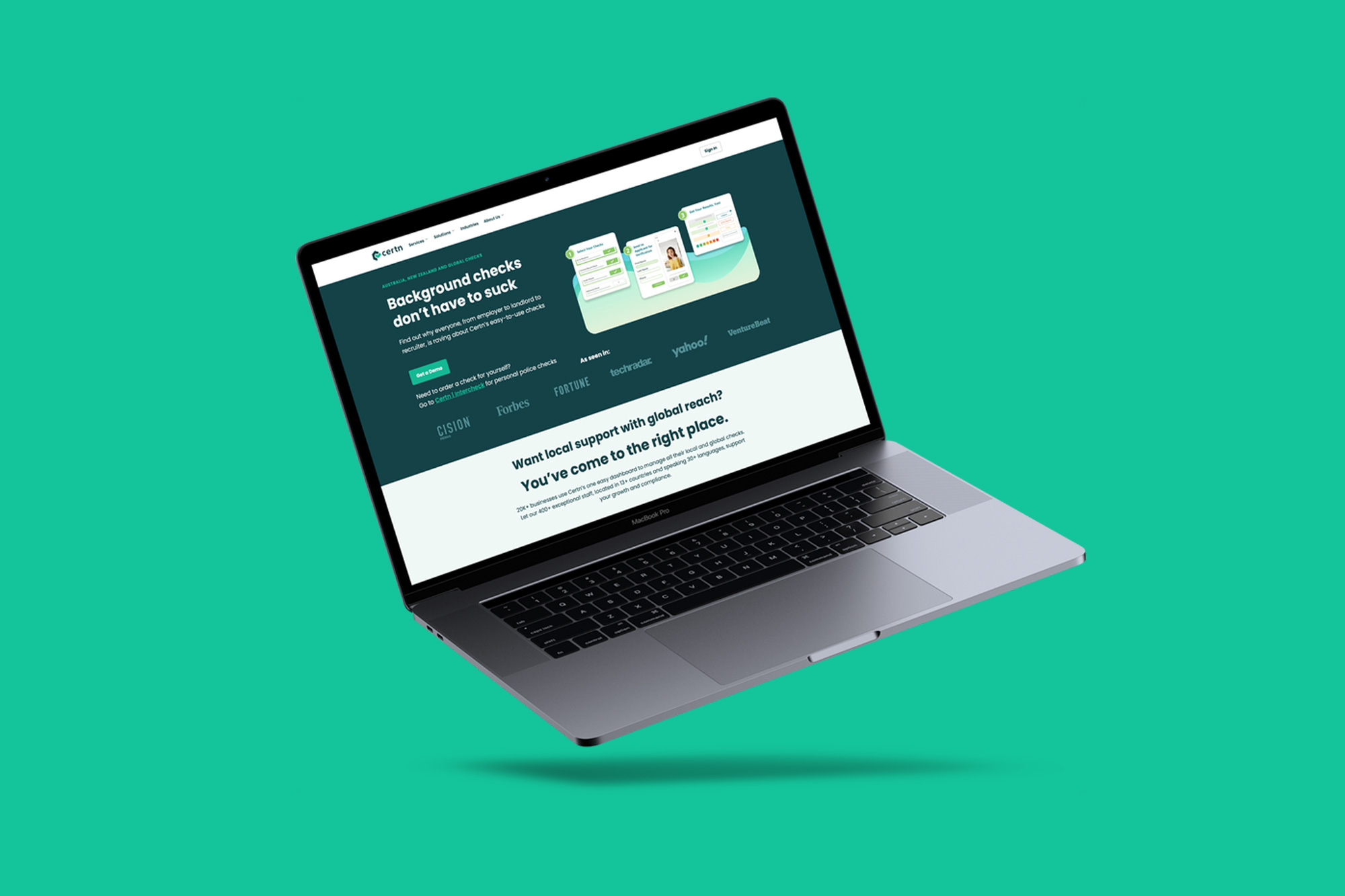
  • Certn background check website displayed on a laptop against a green background
    Certn B2B and B2C software SEO, content and website design
  • Mind Methods article artwork about auditing a website for search engine optimisation
    What is an SEO audit?
  • Original Mind Methods image accompanying the article about five factors supporting SEO results
    Five critical factors supporting online marketing and SEO results