Turn what you know into content people value.

Your best ideas may already exist in the questions your customers ask, the decisions your team makes and the experience behind your work. Content marketing turns that knowledge into something useful beyond the meeting room.

Mind Methods helps businesses develop a clear editorial direction, draw out genuine expertise and share it in formats their audiences will use. Articles, guides, case studies and expert commentary each need a purpose: explain a difficult choice, challenge an assumption, build understanding or help someone take the next step.

As your content marketing agency, we connect the idea with research, production, approvals and distribution. Thought leadership should offer a defensible point of view, not simply put a senior name above generic copy. We work with your people to keep their knowledge and voice visible while making the process manageable.

The Content Strategy service below focuses on the plan. Copywriting and Content Creation can support production. The engagement brings those pieces together around your audience and business priorities, with a realistic way to review what the content achieves.

Give good ideas a clear direction.

  • Content Strategy

    Define the audiences, themes, channels and priorities that give your content a clear purpose and your team a workable production plan.

“Good marketing is clarity plus courage. Clarity about the customer and what truly moves them. Courage to focus on the few activities that will make the biggest difference. Our job is to bring both, so your team knows exactly what to do next, and why.”

Simon Tokic, Co-Founder, Mind Methods
65%

of effective B2B marketing teams

Useful beats simply more.

Among effective B2B teams surveyed, 65% credited content relevance and quality.

Planning implication: brief each piece around a reader's decision, not an output quota.

June-August 2025 survey; 2026 report
Effective-strategy subgroup of 1,015 B2B marketers, mainly North America. Storyblok-sponsored; self-reported reasons for success, not measured causal effects.

37%

report minimal employee-expert participation

Bring the knowledge out of the business.

In the survey, 37% reported fewer than 5% of employee experts contributing to thought leadership.

Planning implication: make expert input easier with focused interviews and clear reviews.

June-August 2025 survey; 2026 report
1,015 B2B marketers, mainly North America; Storyblok-sponsored research. Self-reported findings, not causal effects.

61%

report discovering brands through creators

Distribution is part of the idea.

IAB Australia found creator-led brand discovery among 61% of Australians surveyed.

Planning implication: consider credible voices and appropriate channels when planning how useful content will travel.

June 2026 research; September 2026 release
Australian online-shopping research, n=1,079. Self-reported discovery, not sales lift or a finding for every B2B audience.

No.1

for cross-checking information

Give readers something they can verify.

Google ranked first for information cross-checking among Australian Google Search users surveyed in March 2024.

Planning implication: support your point of view with clear evidence and consistent information across public pages.

March 2024 survey; published August 2025
6,846 Australian Google Search users; Google-commissioned research. Historical cross-checking behaviour, not a measure of content effectiveness.

Make the expertise easier to share.

01
The business has expertise, but the content sounds like everyone else.
Find the point only your team can explain.

Use focused conversations to draw out experience, practical examples and a considered viewpoint. Build a brief around a real audience question, then check the evidence and the boundaries of what can be shared.

02
Good ideas keep stalling between the expert and the writer.
Create a lighter path from knowledge to publication.

Clarify the input required, who shapes the draft and who signs it off. A structured interview and review process helps busy specialists contribute without being asked to become full-time content producers.

03
You publish regularly, but the work disappears after launch.
Plan the second use before the first release.

Identify how a strong piece can support your website, newsletters, sales conversations and social channels. Adapt it for each purpose rather than repeating the same text everywhere or commissioning a new idea each time.

04
The calendar is full, but the business value is hard to explain.
Measure the job the content is meant to do.

Connect each theme with an audience need and useful next action. Review what people read, use, ask about and respond to, alongside suitable business signals, rather than treating publication volume as the result.

Questions before we get started

Thought leadership brings a useful, defensible point of view to an issue your audience cares about. It should draw on genuine knowledge, experience or research. Other content may explain a service or answer a practical question; not every piece needs to make an original argument.

No. We can work from interviews, approved source material and structured input, then develop drafts for review. Your experts remain responsible for validating their knowledge and any attributed viewpoint. We do not invent personal experiences or quotes to make a piece sound authoritative.

Yes. Research and editorial planning can be included, with themes tied to audience needs and business priorities. We distinguish original evidence from opinion and identify source or permission gaps before drafting. The calendar should reflect available expertise and production capacity.

Depending on the brief, the programme may include articles, guides, case studies, newsletters, expert commentary or material for webinars and sales conversations. Design, video and specialist production are scoped explicitly. We choose formats for their purpose rather than promising every format in every engagement.

Your nominated reviewers approve the content before publication or distribution. Client names, results, quotes and imagery are used only within their permission and evidence boundaries. New factual claims or materially different uses of existing proof need appropriate review.

We agree on measures linked to the purpose: useful readership, qualified enquiries, resource use, sales-team feedback or influence on a defined customer journey. These signals may develop at different speeds. We do not treat every view as buying intent or guarantee a fixed revenue return from publishing.

Related campaign thinking

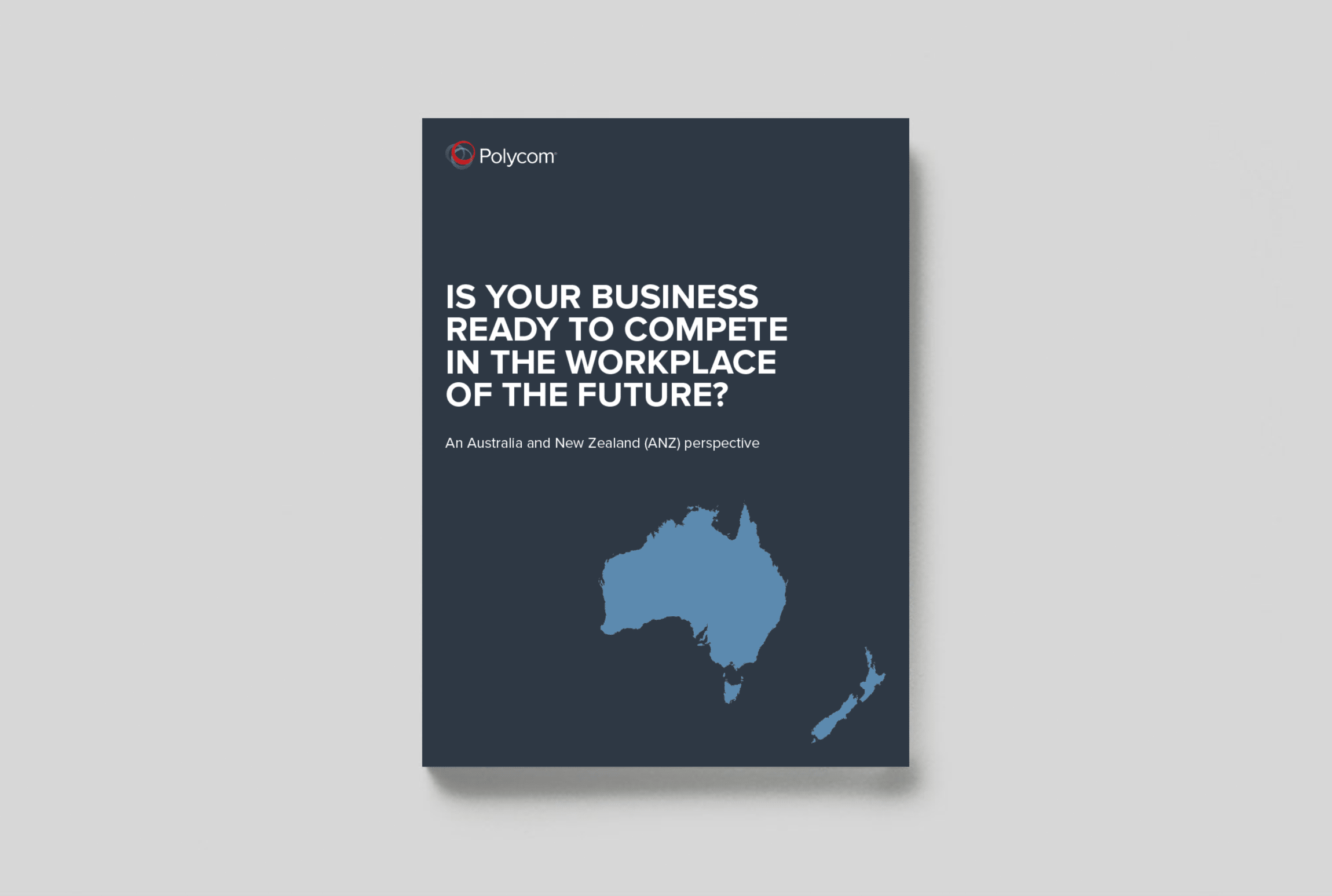
  • Cover of the Polycom Workplace of the Future report, with an Australia and New Zealand focus.
    Polycom research report
  • Certn background check website displayed on a laptop against a green background
    Certn B2B and B2C software SEO, content and website design
  • Original Mind Methods image accompanying the article about three objectives for infographics
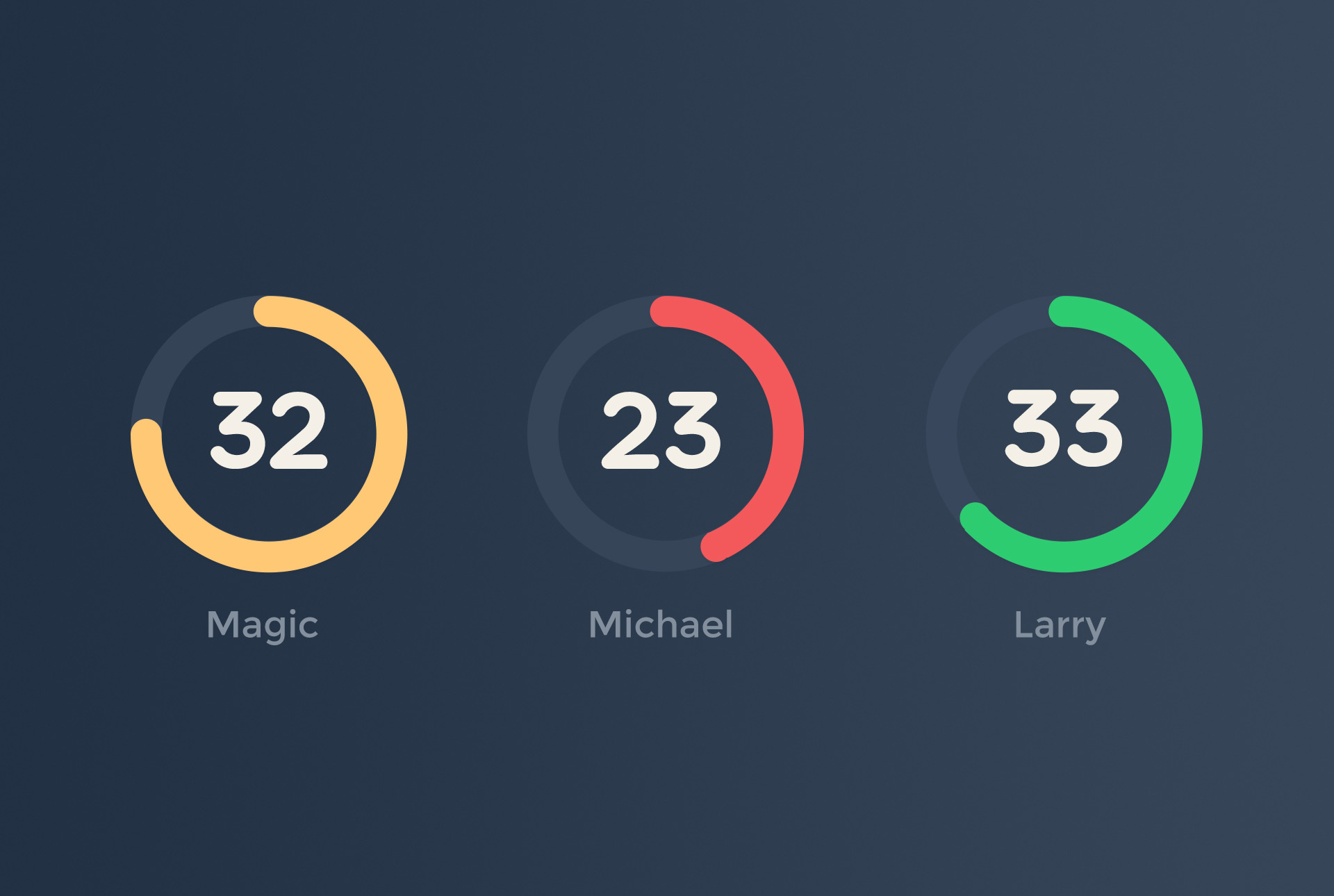
    The three objectives of effective infographics