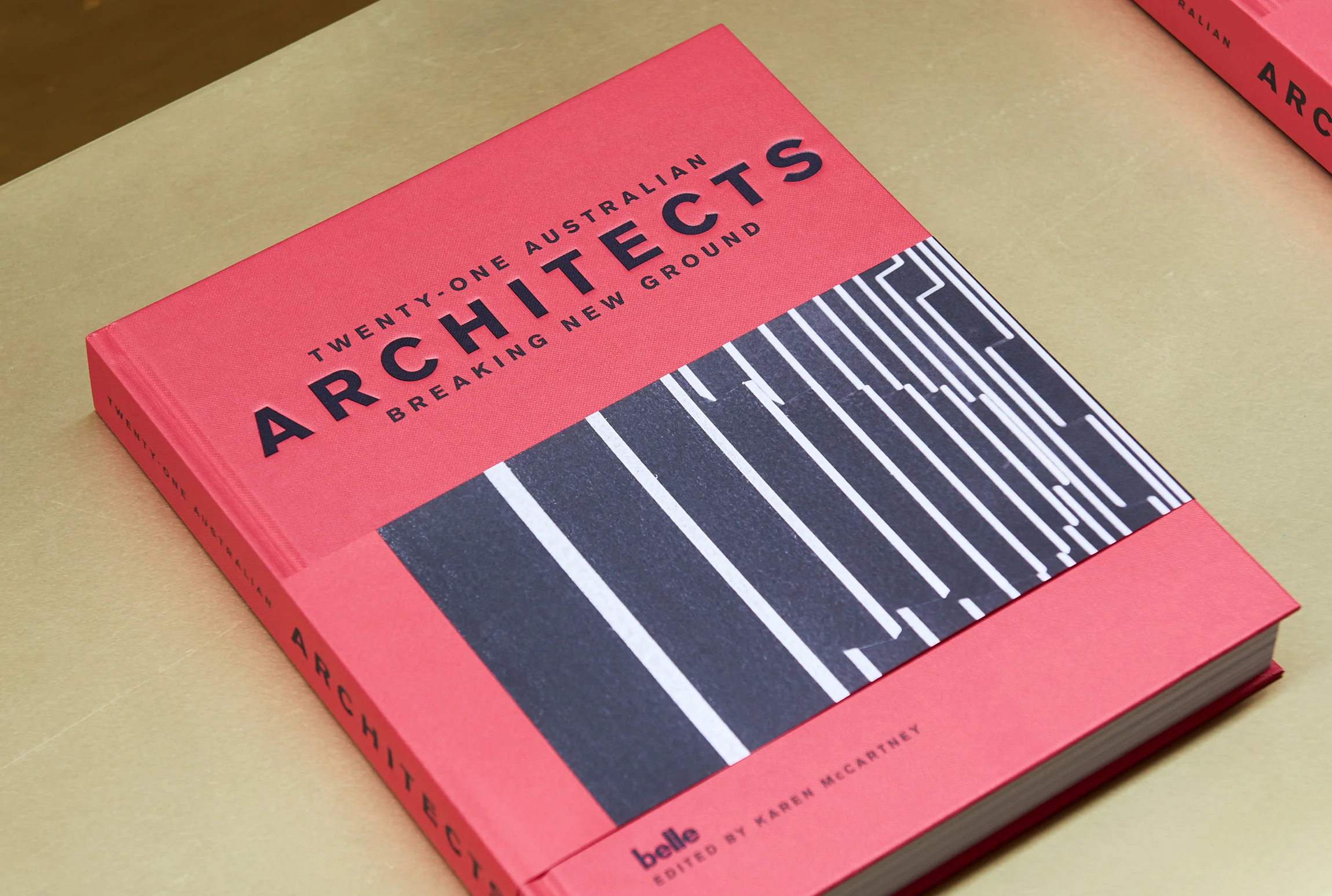
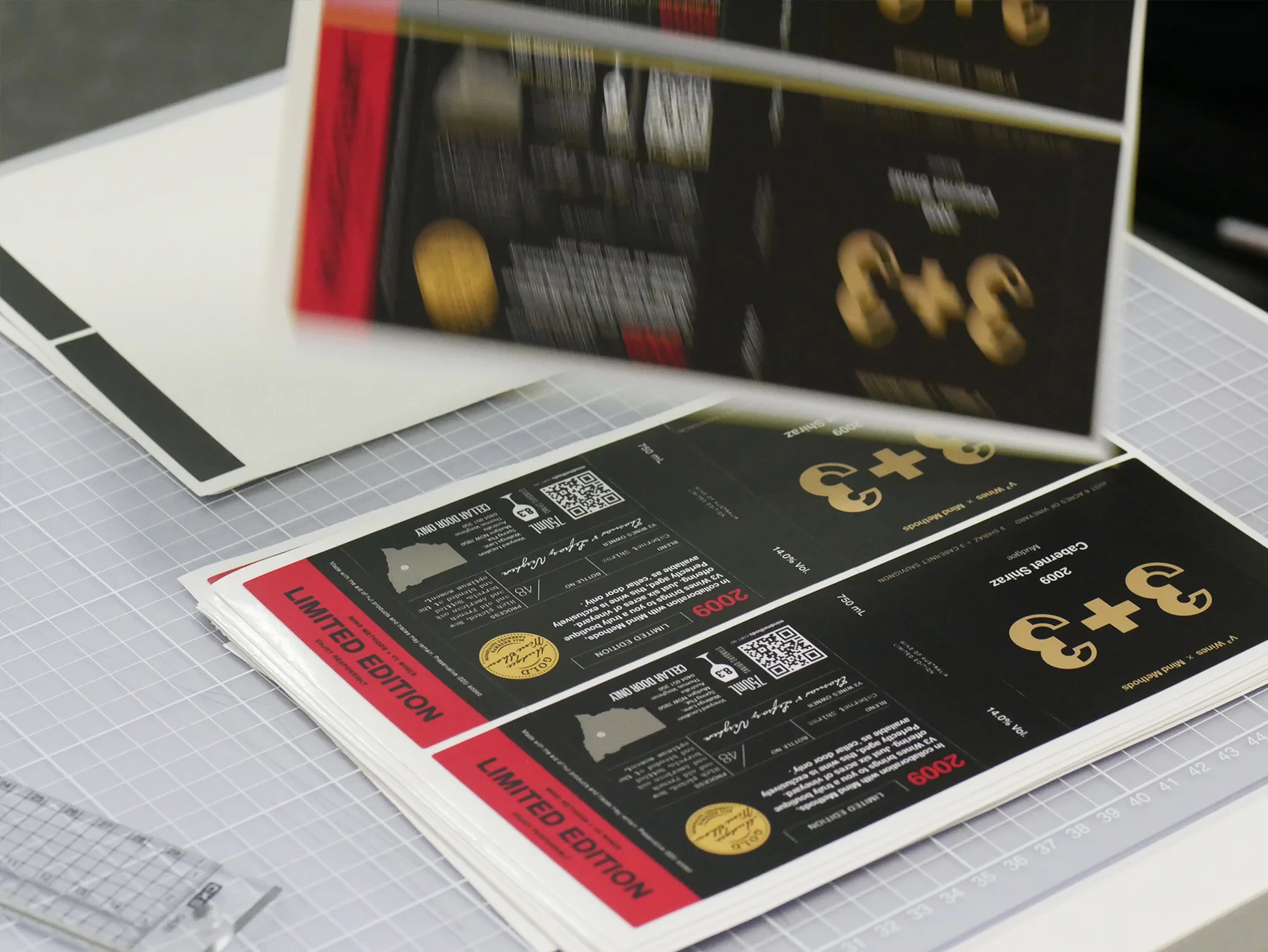
Get the details right before they go to print.

Print problems often become visible when the expensive decisions have already been made. An unclear specification, unapproved file or unsuitable finish can compromise otherwise strong design.

Mind Methods coordinates print requirements, supplier communication and production checks around the intended result. We help define the format, quantity, material, finishing and delivery needs, then keep artwork and proof approvals connected to those decisions.

The work gives the process a clear owner without removing the printer or specialist supplier responsibilities. We compare options on their relevant merits and make costs, dependencies and sign-off points visible. The aim is a considered production outcome, not simply the lowest quote or an assumption that what looks right on screen will print unchanged.

“Good marketing is clarity plus courage. Clarity about the customer and what truly moves them. Courage to focus on the few activities that will make the biggest difference. Our job is to bring both, so your team knows exactly what to do next, and why.”

Simon Tokic, Co-Founder, Mind Methods

66%

paper and paperboard packaging recovery rate

Material choices need a practical end-of-life view.

APCO reported 66% recovery of paper and paperboard packaging in 2023-24.

Planning implication: Ask suppliers about the actual stock, finishes and recovery options; do not treat a material name as proof of an environmental claim.

2023-24 packaging data; release 1 December 2025
Australian packaging context, not a recycling rate for all printed collateral or certification of a proposed print job.

21.4%

of Australians had disability

Readability belongs in the production brief.

The ABS reported disability prevalence of 21.4% in 2022.

Planning implication: Consider intended readers, type size, contrast and alternative formats, with appropriate evaluation where required.

2022 survey; release 4 July 2024
Population prevalence, not one uniform visual impairment or a prescribed specification for every printed item.

39%

named resource constraints as a content challenge

Late changes consume more than production time.

CMI/MarketingProfs found 39% selected resource constraints among their top content challenges.

Planning implication: Agree content ownership and approval gates before artwork release so avoidable rework does not become the production plan.

2026 report; survey June-August 2025
1,015 B2B marketers, mainly North America; Storyblok sponsored. Respondents selected their top three content challenges.

69%

reported inconsistent supplier information

The printed version must remain accurate.

Gartner found 69% of surveyed B2B buyers encountered differences between supplier website information and sellers.

Planning implication: Check current claims and contact details against the approved source before committing to a physical run.

August-September 2024 survey; release 25 June 2025
632 B2B buyers. Public market splits not supplied; not labelled Australian-only or a controlled messaging experiment.

Start with the problem, not a package.

01
Quotes are difficult to compare because the specifications differ.
Make the requirements consistent before choosing a supplier.

Document the format, stock, finishing, quantity and delivery needs so proposals can be compared on a meaningful basis.

02
Artwork is being sent to print without a clear sign-off.
Separate design approval from production release.

Confirm the final content, printer requirements and proofing process. Identify who approves the release and what remains the supplier responsibility.

03
The desired finish is creating cost or timing problems.
Compare alternatives without losing the purpose of the piece.

Review the audience, intended use and production constraints. Explain the trade-offs between materials and finishes rather than assuming every premium option adds value.

04
Multiple locations or versions are making the job difficult to control.
Bring versions and distribution into one plan.

Define the approved variants, quantities and delivery details, then keep them linked to the correct artwork and purchase approval.

Questions worth asking.

The scope can include specifications, quote coordination, supplier liaison, artwork handover, proof review and delivery coordination. We agree the role and approval responsibilities for the particular job. Printing costs and specialist production are not automatically included.

The service coordinates work with appropriate production suppliers. We clarify who manufactures, proofs, delivers and handles defects. Supplier selection depends on the job requirements rather than a claim that one production method suits every project.

Yes, subject to suitable specifications, availability and agreed responsibilities. We can coordinate design and artwork requirements with an existing supplier rather than require a change simply to manage the process.

A nominated authorised approver should sign off the relevant content and production proof. We help organise checks within the agreed scope, but the final release must be explicit. Approval of a design concept is not approval to print.

We can request and compare relevant material and production information from suppliers. Environmental claims and certifications need appropriate substantiation. We do not guarantee sustainability merely because a stock is described as paper, recycled or recyclable.

Results depend on the agreed process, stock, proofing and supplier commitments. We make expectations and limitations clear and coordinate the required checks. Exact tolerances, scheduling and remedies should be agreed with the relevant production supplier.

Related campaign thinking