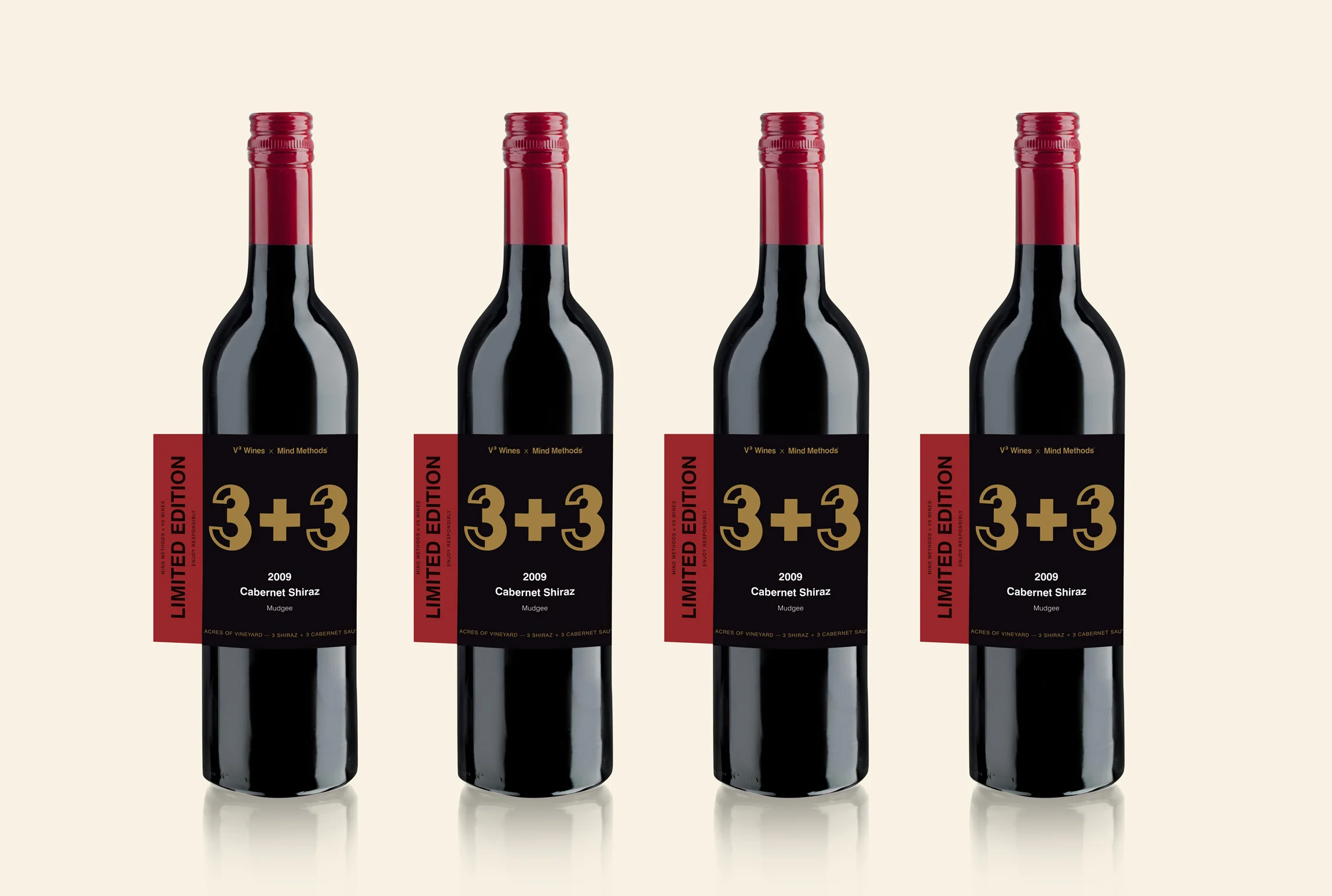
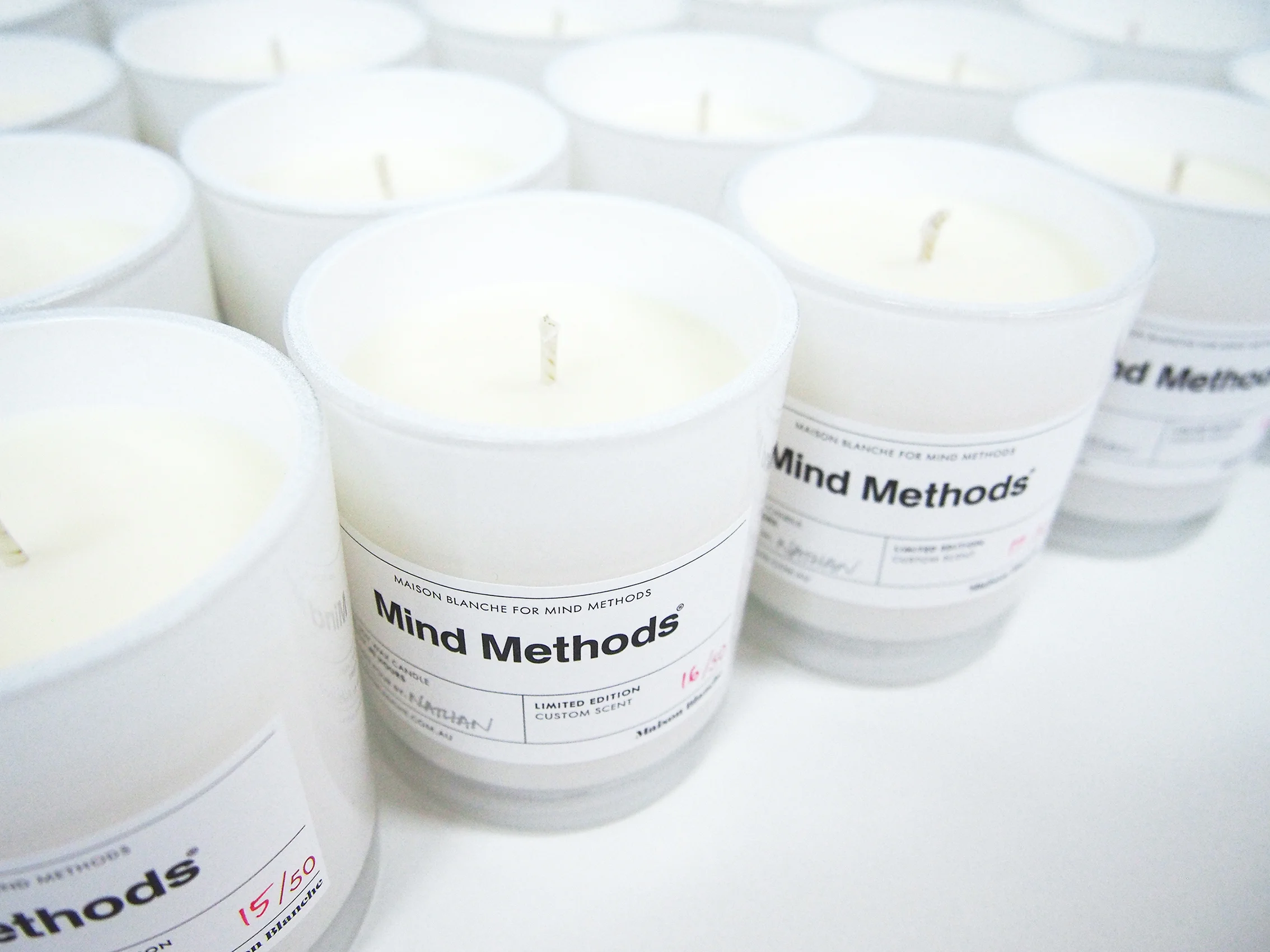
Make the pack work as hard as the product.

Packaging has to communicate, protect and perform in a real buying context. A design that looks strong on screen can still be difficult to read, confusing across a range or impractical to produce.

Mind Methods develops packaging design around the brand, the product and the information customers need to choose it. We consider which information people see first and how they find their way through the range. We also look at what makes the pack stand out and how it appears online.

The work connects creative direction with agreed supplier specifications and production checks. We clarify the responsibilities for mandatory information, claims, materials and approvals before final artwork is released. The aim is a coherent, usable pack that supports the product story without making unsupported promises about performance, sustainability or compliance.

“Good marketing is clarity plus courage. Clarity about the customer and what truly moves them. Courage to focus on the few activities that will make the biggest difference. Our job is to bring both, so your team knows exactly what to do next, and why.”

Simon Tokic, Co-Founder, Mind Methods
62%

used recyclable packaging as a sustainability cue

The pack can imply more than the words say.

Monash found 62% of surveyed shoppers used packaging recyclability to judge product sustainability.

Planning implication: Review the overall impression and substantiate environmental claims rather than relying on colour or symbols alone.

June 2024 survey; release 15 July 2024
1,002 Australian shoppers. Perception cues, not verified environmental performance or a guarantee of purchasing behaviour.

20%

plastic packaging recycling rate reported

Recyclable and recycled are not interchangeable.

APCO reported a 20% plastic packaging recycling rate for 2023-24.

Planning implication: Confirm relevant material, recovery and labelling requirements with qualified suppliers before making a claim.

2023-24 data; release 1 December 2025
Australian packaging reporting, not a rate for every plastic format or a certification of a proposed pack.

44%

average post-consumer recycled content reported

Material choices need evidence behind them.

APCO reported average post-consumer recycled content in packaging at 44% for 2023-24.

Planning implication: Ask suppliers for appropriate specifications and substantiation; do not treat a national average as a product-level claim.

2023-24 data; release 1 December 2025
Aggregate packaging measure, not the content of an individual product or a universal production requirement.

78%

used retailer websites

The digital shelf is part of the brief.

Australia Post reported retailer website use at 78%.

Planning implication: Check how key information and product variants remain recognisable in online imagery as well as on the physical pack.

2025 survey; 2026 eCommerce Report
Australian shopping context, not proof of a packaging-design effect on conversion.

Start with the problem, not a package.

01

The product is being overlooked on shelf or online.

Clarify what needs to be noticed first.

Review the buying context, competing presentations and the hierarchy of information. Develop a visual direction that helps people recognise the product and understand its relevant benefit.

02

A growing range has become hard to navigate.

Make the relationship between products clearer.

Establish consistent brand elements and deliberate distinctions for variants, sizes or uses. Test the system across the range rather than solving each pack as an isolated design.

03

Creative concepts are disconnected from manufacturing constraints.

Bring the supplier requirements into the brief early.

Confirm the available format, dielines, print process and proofing responsibilities before finalising the design. Structural engineering, material testing and specialist production advice remain with qualified owners.

04

Claims and mandatory information are arriving late.

Create a clear approval route before artwork release.

Identify who supplies and approves product facts, regulatory information and environmental claims. Build those requirements into the hierarchy and keep sign-off separate from a visual-design approval.

Questions worth asking.

Not automatically. Our scope focuses on the brand and graphic presentation, coordinated with agreed packaging specifications. Structural engineering, food contact, safety testing and material performance require suitable specialist suppliers and separate responsibilities.

Yes. We can scope a range architecture and visual system that keeps the brand recognisable while distinguishing products or variants. We agree the number of formats, sizes and versions, then test the rules across representative applications.

The client and relevant qualified advisers must provide and approve the required product information and substantiation. We integrate approved content into the design. Creative approval does not replace regulatory, legal or technical sign-off.

We can consider how the design communicates and works with proposed material choices, in collaboration with appropriate suppliers. Claims about recyclability, recycled content or environmental benefit need evidence and relevant checks. We do not certify a material or guarantee sustainability through design alone.

Production coordination can be scoped, including supplier liaison, artwork preparation and proof review. Costs, manufacturing responsibility, physical samples and approval stages must be agreed. Final production should not proceed from a presentation image without the required checks.

Digital presentation can be part of the brief, including legibility at smaller sizes and clear differentiation of variants. Photography, rendered imagery and online product content may need separate production. We consider those uses early rather than assume a print file is ready for every channel.

Related campaign thinking